

The 2026 Texas Football season will reach well beyond the scoreboard. It will shape school calendars, family routines, booster club work, stadium access, road trips, band nights, concession stands, and the familiar Friday pull that brings a town toward the lights before kickoff.
In Texas, high school football is not just a fall activity tucked onto a school calendar. It is a weekly gathering point. Grandparents claim the same seats. Little kids chase footballs on the grass outside the gate. Former players stand near the fence and measure the new team against the teams they remember. School colors show up at restaurants, grocery stores, and morning pep rallies before the first whistle ever blows.
The 2026 season carries extra weight because several practical pieces are shifting at once. The season has set start dates. District alignments have changed for many schools. Stadium work in some communities could move games away from home fields. District budgets and safety planning remain part of every athletic department conversation. For fans, families, and schools, that means the season begins long before bands step onto the track.
What 2026 Texas Football Changes For Schools
Every Texas high school season asks schools to balance spirit with planning. Athletic directors work with transportation departments, principals, coaches, trainers, band directors, cheer sponsors, police, concession volunteers, and visiting schools. The football game is the public event, but the school operation behind it is wide.
Why 2026 Texas Football Starts Before The First Kick
UIL teams can begin practice on August 3, 2026, with first games scheduled for August 27, 2026, according to a Yahoo Sports calendar report. That gives communities a clear late-summer runway. By early August, families are already checking physicals, practice schedules, heat plans, school supply nights, and whether that first game is home, away, or part of a larger opening-week event.
For schools, the August practice date also starts the public rhythm of fall. Weight rooms turn into meeting points. Marching bands move from summer rehearsal into football-week preparation. Booster clubs begin selling shirts, organizing meals, and lining up volunteers. The season may open on a Thursday in late August, but the work begins in the hottest part of the Texas summer.
What Families Should Check Before Week One
For families, 2026 Texas Football will reward early planning. The first weeks of the season often overlap with back-to-school nights, new class schedules, youth football, volleyball, and band commitments. A single missed detail can turn a smooth Friday into a scramble across town.
- Confirm kickoff time, ticket policy, and whether the game is at the listed home stadium.
- Check parking plans, especially for renovated venues or shared stadiums.
- Plan for heat, water rules, and school district bag policies.
- Build extra travel time for new district opponents or Thursday-night games.
- Watch school and athletic department channels for venue changes.
That kind of planning is not just for parents of players. It matters for band families, drill teams, student sections, alumni groups, and local businesses that staff extra shifts on game nights. Readers who want a family-level checklist can pair this season outlook with 2026 game day prep before the first week arrives.
The Calendar Sets The Town Rhythm
Once the season starts, Friday nights begin to shape local time. In small towns, the stadium lights can change the pace of traffic on the main road. In suburbs, families may split between a high school game, a middle school event, and a younger sibling’s practice. In growing districts, the football calendar can stretch across multiple campuses and shared facilities.
School Events Cluster Around Football Weeks
Homecoming, rivalry week, senior night, youth football recognition, teacher appreciation, military appreciation, and band competitions often orbit the football schedule. Those events bring more than ticket buyers. They bring extended families, alumni, local clubs, and elementary students who are learning what the school colors mean.
That is why the schedule matters to more than the varsity roster. A home game can help a booster club raise money. A rivalry week can lift a local restaurant. A long road trip can thin out a student section but create a caravan of parents, grandparents, and friends heading down the highway together. The game becomes a community appointment.
The pull of those Friday routines is part of why Texas high school football remains a town gathering point. For a deeper look at those traditions, the site’s look at Texas high school football culture connects the sport to enrollment shifts, safety concerns, and the local habits that keep stadiums full.
Realignment Turns Familiar Routines Into New Trips
The UIL’s 2026–2028 realignment has reassigned 150 high schools to new districts because of enrollment changes and new school openings, according to the research provided. That kind of movement changes more than competitive pairings. It can alter bus routes, pregame meal times, scouting schedules, ticket demand, and how far families drive on Friday evenings.
Travel Becomes Part Of The Season Story
For coaches, a new district can mean different offensive styles, new stadium surfaces, unfamiliar visitor locker rooms, and fresh rivalry pressure. For fans, it may mean learning new exits, parking lots, and visitor-side routines. A game that used to be a short drive across town can become a longer trip that calls for an early departure from work.
Realignment also affects bands, cheer squads, drill teams, trainers, and student media crews. A football team may travel on one bus, but a Friday night road game often moves a large piece of the school with it. That is especially true in communities where the band travels in full and the student section treats road games as part of the season’s identity.
New districts can create new rivalries, but they can also interrupt old ones. Some communities will miss an annual opponent that helped define the fall. Others will find a new measuring stick in a school they rarely played before. That tension gives the 2026 district schedule a different feel before standings even begin to form.
Stadium Work Reaches Beyond The Sideline
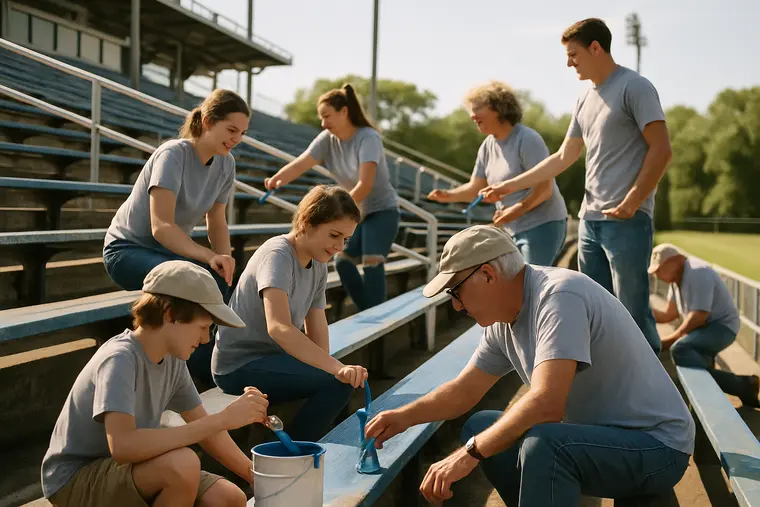
Stadium projects in Texas always carry a public meaning. A football venue is a sports facility, but it is also a graduation site, marching band stage, youth football dream board, and meeting place for people who may not cross paths during the school week. When a stadium is being renovated, the effects can be felt across the town.
Red Oak Shows The Tradeoff
Red Oak High School’s $46.8 million renovation of Goodloe Stadium may require the Hawks to play all 2026 home games at another venue, according to a Sports Illustrated report on Goodloe Stadium. That one example shows the tradeoff many communities understand: long-term facility work can improve a campus asset, but the short-term cost can be a season without true home-field rhythm.
A moved home game changes more than the address on the schedule. Concession groups may lose familiar traffic patterns. Local restaurants may not see the same pregame crowd. Students may be less likely to attend if the venue is farther away. Elderly fans who know every parking spot at the old stadium may need help with new access points.
There is also an emotional side. Players remember running out at their home field. Bands know how sound carries in their own stands. Cheerleaders know where families gather after the game. A temporary venue can still host a strong crowd, but it asks everyone to rebuild small routines that normally feel automatic.
Why 2026 Texas Football Belongs To The Whole Town
The meaning of 2026 Texas Football will be found in those small routines as much as in district standings. It will be in parents taping roster buttons to shirts, school staff staying late to manage gates, restaurant owners planning for the postgame rush, and students learning that Friday night is one of the few places where the whole town still gathers in one place.
Schools will keep weighing budget pressure, venue needs, travel demands, and safety practices. Coaches will keep building teams out of teenagers who are balancing classwork, practice, and the social weight of wearing the town’s name across the front of a jersey. Fans will keep reading schedules, comparing district trips, and circling the rivalry game that still matters most.
That is the heart of the 2026 season for Texas communities and schools. The games will decide wins and losses, but the season will also measure how towns gather, adapt, spend, travel, cheer, and pass traditions from one class to the next. Under the lights, football remains a shared language. In 2026, Texas will speak it again every week from late August into the fall.