
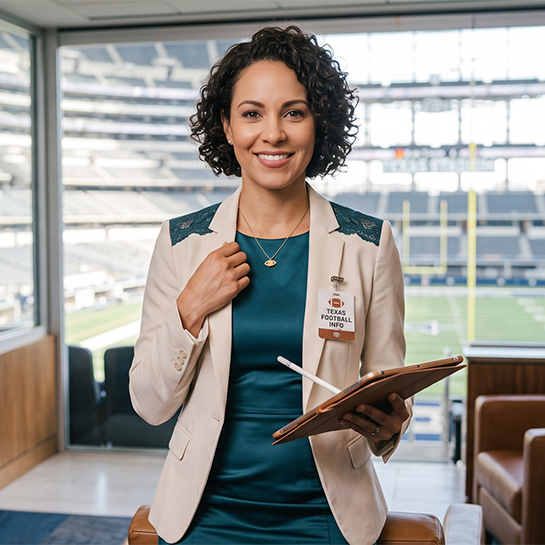
UIL game day security has always been part of the Friday night routine in Texas, even if most fans only noticed the officer near the gate, the administrator by the student section, or the trainer standing close to the sideline. Since September 23, 2026, those familiar sights have carried a more formal set of statewide requirements.
The change came through House Bill 121, passed in 2025, and it reshaped how school districts plan for football games, rivalry nights, and other school-sponsored events. The most visible change is staffing: athletic and extracurricular events expected to draw more than 1,000 people now require at least one uniformed peace officer per 1,000 attendees, according to the new Texas event security rules.
For Texas high school football families, this does not mean the spirit of Friday night has gone away. The band still warms up. The barbecue smoke still hangs near the parking lot. Grandparents still arrive early for a good seat. But the way host districts prepare for crowds, rivalry emotions, weather, medical needs, and exits is now more structured than it was before September 23, 2026.
That matters because high school football in Texas is rarely just a game. It is a civic gathering, a school event, a family reunion, and sometimes a decades-old rivalry packed into one stadium.
UIL Game Day Security Now Starts Before Kickoff
The biggest shift for fans is that security planning now begins well before the first car rolls into the stadium lot. Under the updated requirements, any venue expected to host more than 250 people must have a written security and medical plan specific to that location. That plan is not limited to varsity football. The requirements apply to school-sponsored or sanctioned activities on property owned, leased, or controlled by the school district, including games, practices, prom, and graduation.
For football crowds, that means host districts have to think through the full night: arrival, gate screening, student sections, visiting fan placement, halftime movement, severe weather, medical response, and postgame exits. The host district is responsible for security and medical planning, regardless of which schools are playing or whether the event is held at a neutral site.
What UIL Game Day Security Means At The Gate
At the fan level, UIL game day security may show up in simple ways. Gates may feel more organized. Officers and staff may be easier to spot. Administrators may be stationed closer to high-traffic areas. Lines may move differently if a host district adjusts entry points or crowd flow.
None of those steps erase the old rhythms of Texas football. They do ask fans to build in more time. A packed district matchup already brings school traffic, band buses, booster gear, and youth football players wearing jerseys. Added planning can help, especially for families bringing young children or fans meeting relatives from both sides of a rivalry.
Fans who want a broader checklist can compare these changes with related Texas football security rules before heading to a school stadium.
Rivalry Nights Carry A Different Security Standard
Texas rivalries have their own sound. The visiting side fills faster. The student sections get louder. Former players drift toward the fence line and point out old teammates. Some towns circle one date before the schedule is even printed.
The updated rules recognize that rivalry games can carry extra tension even when attendance is below the 1,000-person mark. For rivalry games, or any event with a known risk of confrontation, adequate officer staffing is required even if the expected crowd is under 1,000, as reported in coverage of UIL rivalry game security.
That point matters for small towns as much as big suburbs. A crowd does not have to fill a large stadium to feel intense. Some of the sharpest rivalries happen in places where everyone knows the coaches, the quarterbacks grew up playing youth ball together, and the postgame handshake line carries years of memory.
Why UIL Game Day Security Hits Rivalries Differently
UIL game day security at rivalry games is less about changing the identity of the night and more about setting a safer frame around it. School districts now have clearer reasons to plan for known flashpoints: crowded entrances, mixed fan movement near concessions, student section behavior, and postgame traffic where emotions can run high.
For fans, the practical takeaway is plain. If the game has a rivalry label, treat it like a bigger event even if the stadium is not one of the largest in the state. Arrive earlier than usual. Know where your group plans to meet after the game. Follow the host district’s bag, entry, and seating instructions. Give visiting fans room at shared spaces like restrooms and concession lines.
Those habits fit the best parts of Texas football culture. Rivalries can be loud without being reckless. Student sections can be rowdy without turning hostile. A road crowd can travel well and still respect the host campus.
Medical Planning Is Part Of The New Routine
The new procedures are not only about officers at gates. Emergency medical preparedness is part of the same shift. Automated external defibrillators, known as AEDs, must be available and accessible at athletic events and practices. Coaches, sponsors, physical education instructors, band directors, and others must complete CPR and AED training.
For anyone who has spent a humid September night in metal bleachers, that medical focus feels practical. Texas football crowds include infants, students, parents, alumni, older fans, marching band members, drill teams, cheerleaders, and athletes moving at full speed under the lights. Heat, crowding, weather, and the physical nature of football all shape game-day planning.
How Written Plans Shape The Night
Written event plans must address emergency response protocols. Those include crowd control, evacuation plans, incident command structure, severe weather procedures, emergency communication, and medical response coordination with local first responders.
The phrase “incident command” may sound formal for a high school football night, but the idea is simple: someone on site needs to know who is in charge if something goes wrong. That helps officers, administrators, medical staff, coaches, and first responders avoid confusion during a serious moment.
Fans may never see the plan itself. If the night runs smoothly, most people will only notice the football. Still, the plan sits behind the scenes, supporting the people who keep a stadium moving.
How Fans Can Plan Around The New Rules
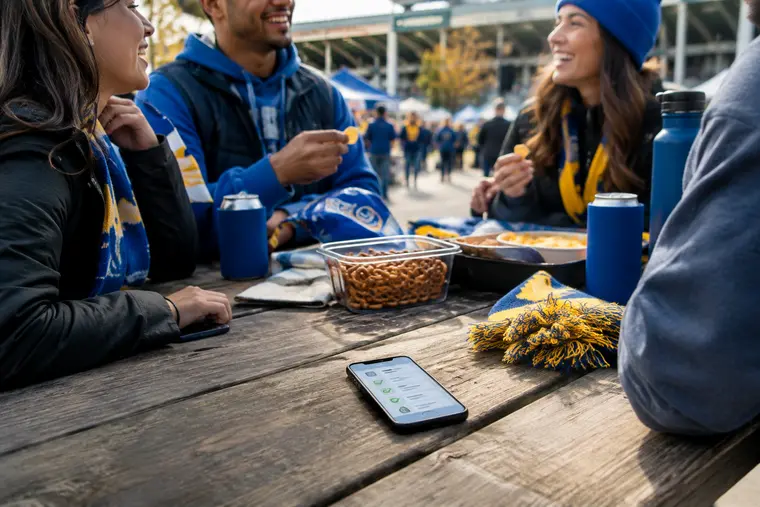
Families do not need to treat every game like an airport trip. They do need to respect that host districts have more responsibility than before. The best fan approach is simple: check the host district’s posted policies, arrive with extra time, and make a plan with your group before the game gets loud.
That is especially true for games with large crowds, neutral-site matchups, rivalry history, or weather concerns. A little planning can protect the parts of the night people actually came for: the run through the tunnel, the first third-down roar, the halftime show, and the drive home with a tired kid still holding a concession-stand drink.
- Check the host district’s game-day page or campus communication before leaving home.
- Arrive early for rivalry games, large crowds, and venues with limited parking.
- Know the meeting spot for your family or group after the game.
- Follow posted instructions from officers, administrators, and event staff.
- Give yourself extra time if you are entering with small children, older relatives, or a large group.
What Has Not Changed For Texas Fans
UIL game day security does not change why people show up. Texas high school football still belongs to marching bands, drill teams, booster clubs, chain crews, student trainers, and families who build fall calendars around kickoff.
The best traditions can live comfortably with better planning. A safer gate does not silence a student section. A written medical plan does not take away the smell of popcorn under the press box. More formal staffing does not erase the handshake between rival coaches after four quarters.
UIL Game Day Security And The Friday Night Feel
UIL game day security is now part of the Texas football routine in a more visible way. Since September 23, 2026, districts have had clearer duties for officer staffing, medical readiness, written plans, emergency response, and rivalry events.
For fans, the best response is not fear. It is preparation. Know the host school’s rules. Leave a little earlier. Keep the rivalry sharp but respectful. Help the people working the gate, the sideline, and the concourse do their jobs.
Friday night football in Texas has always depended on more than the players between the lines. It depends on the whole town knowing how to gather. These changes ask that gathering to be planned with more care, while keeping the heart of the night right where it belongs: under the lights.