

The Texas football community is built long before kickoff. It starts in school parking lots, in band halls, at booster tables, in restaurants filling up before the home team runs out, and in the familiar rhythm of families choosing the same seats they have used for years.
High school football in Texas is not only a schedule of games. It is a weekly meeting place. Grandparents sit beside students. Former players come back in letter jackets that no longer fit quite the same. Younger kids lean over the rail, watching varsity players as if they are already imagining their own Friday night.
That shared attention gives Texas high school football its staying power. Wins matter. Rivalries matter. Playoff brackets matter. Yet the deeper force is the community that gathers around the sport, carries its routines from season to season, and turns ordinary fall Fridays into local landmarks.
Why The Texas Football Community Packs Stadiums
Texas Football Community In The Championship Stands
The scale of Texas high school football shows up most clearly when the season reaches its final stage. In 2025, the UIL Texas high school football championship games at AT&T Stadium drew 191,815 fans, an increase from 166,644 in 2024, according to High School Football America.
Those numbers say something plain and powerful. Families will travel. Towns will rearrange schedules. Alumni will find their way back into the conversation. A state championship week becomes more than a neutral-site event. It becomes a gathering of school colors, regional pride, and old rivalries carried into one of the largest football venues in the country.
The biggest crowd that year came for the 6A Division I championship game between North Shore and Duncanville, which drew 39,464 spectators, the highest attendance among all divisions in 2025, as reported by ETSN.
What Big Crowds Say About Local Pride
A crowd like that does not appear by accident. It takes years of community investment, player development, coaching consistency, family participation, and local belief. North Shore and Duncanville are football powers, but the attendance figure also reflects how high school football can pull together people who may not share much else during the week.
In Texas, a playoff run can make a school feel larger than itself. The marching band, cheerleaders, drill team, student section, trainers, coaches, parents, and local businesses all become part of the same public story. The Texas football community is not limited to the roster. It includes the people selling spirit shirts, serving pregame meals, painting signs, and saving seats.
Friday Night Traditions That Travel With Families
The Tailgate Before Kickoff
Texas high school tailgating is usually more practical than polished. A few folding chairs. A cooler. Someone’s pickup backed into a familiar spot. Parents checking arrival times. Younger siblings tossing a ball between cars. The smell of barbecue or burgers drifting across the lot before the band begins warmups.
These scenes matter because they create a weekly pattern. People know where to park. They know which gate gets crowded. They know which concession line moves fastest and which road backs up after the final whistle. That knowledge is passed around like family advice.
For many families, game night begins hours before kickoff. There may be a team meal, a pep rally, a homecoming parade, or a quick stop at a local restaurant before heading to the stadium. The game gives structure to the evening, but the tradition includes everything around it.
The Soundtrack Of A Shared Season
Every Texas town has its own Friday night sound. Some stadiums lean on booming public-address introductions. Others are defined by the drumline echoing under the stands. In many places, the band’s first notes are the signal that the week has truly turned toward football.
That atmosphere is why high school football feels different from watching a game on television. The crowd recognizes the senior linebacker’s family. The student section knows the quarterback from class. The visiting fans may have made the same drive for decades. Rivalry week carries memory, not just matchup talk.
The Texas football community gives those details meaning. A banner is not only decoration. A fight song is not only music. A stadium light is not only equipment. Together, they create a setting where a school and town can see themselves reflected back.
Fan Support Beyond The Stands
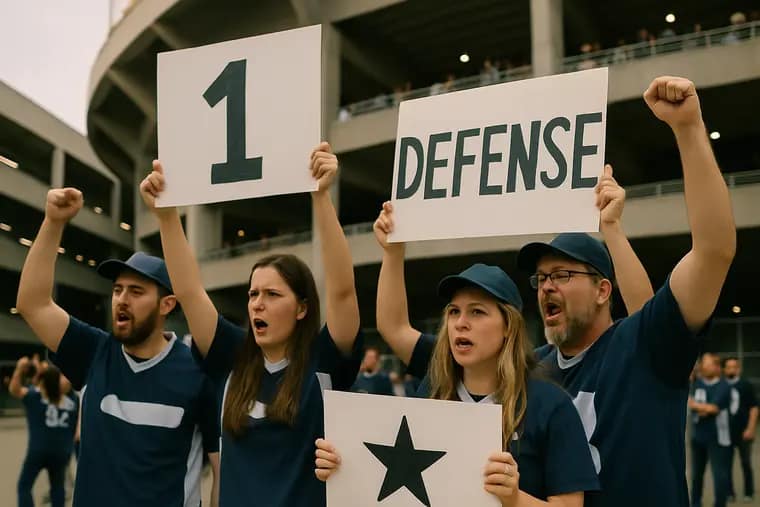
Booster Energy And Local Businesses
Fan support reaches beyond cheering on third down. Booster clubs, school volunteers, local sponsors, and parent groups often help create the conditions that make game night possible. Their work can be visible, like spirit gear and concession tables, or quieter, like organizing meals and supporting travel routines.
Local businesses often feel the pull of game night as well. Restaurants can become pregame meeting points. Shops may decorate windows in school colors. Sponsors buy program space or support events because the team is one of the most reliable ways to reach families across the district.
That support should not be treated as background noise. It is part of the sports infrastructure of a Texas town. The team gets the scoreboard result, but the community builds the weekly stage.
Planning A Better Game Night
For families, the practical side of Friday night matters. A smooth game night usually starts with timing. Arriving early helps with parking, especially for rivalry games, homecoming, senior night, and playoff rounds. Families with young children may want seats near exits or restrooms. Visiting fans should check stadium bag policies and ticket procedures through school or district channels before leaving home.
Weather is part of the Texas football routine. Early-season heat can make hydration and shade important before kickoff. Late-season playoff games can bring cold wind, especially in open stadiums. Comfortable shoes matter for long walks from overflow parking. Cashless concessions may be common in some districts, while others may still use mixed payment setups.
- Arrive earlier for rivalry games, homecoming, and playoff rounds.
- Check the school or district ticket process before traveling.
- Plan for heat early in the season and cold during the playoffs.
- Support local restaurants and sponsors that support the school.
Good planning protects the best part of the night: being present. Once the band lines up and the captains walk to midfield, nobody wants to be stuck searching for parking or sorting out a ticket issue at the gate.
Why The Texas Football Community Still Gathers
The reason Texas high school football endures is not hard to see from the stands. People return because the games connect them to place. A town’s football season gives residents a shared calendar, a shared language, and a reason to gather under the lights.
Not every team plays for a state title. Most seasons end without a trophy. Still, the value of the sport is visible in the routines it creates. A freshman parent learns the stadium. A senior family counts down the final home games. A former player brings his own child back to the same bleachers. Those moments do not need a championship banner to matter.
The Texas football community remains one of the clearest expressions of local sports identity in the state. It is competitive, emotional, loud, and practical all at once. It can fill AT&T Stadium for championship week, but it is just as real on a regular Friday in a smaller town, where the lights come on, the band starts, and everyone knows where they are supposed to be.