

Texas High School Football is never just the four quarters on the scoreboard. It is the line at the concession stand, the grandparents saving seats before warmups, the band loading buses after school, and the small businesses that feel the rush of a packed stadium night. Across the state, Friday football works like a weekly town meeting with helmets, drums, mums, and porch-light pride.
The importance of community shows up most clearly in the way people keep coming back. Parents return long after their children graduate. Former players stand along the fence and recognize the same pregame nerves they once carried. Younger kids watch from the track and imagine their own number under the lights. In Texas, high school football often gives a town a shared language, even when not everyone agrees on the play call.
Why Texas High School Football Feels Local
The scale can be large, but the heartbeat stays local. The clearest public measure came during the 2016 UIL high school football state championships at AT&T Stadium, where 245,913 fans attended over three days, an average of 20,493 per game and a 65 percent increase from the previous year, according to USA Football reported.
Those numbers matter because they point to something Texans already understand. A playoff run does not belong only to the roster. It belongs to bus drivers, trainers, drill teams, marching bands, concession volunteers, teachers, alumni, and families who rearrange Friday plans around kickoff. When a team reaches December, the trip can feel like a town taking its place on a bigger stage.
Small Rituals With Big Meaning
Most communities do not need a packed NFL stadium to feel that pull. The ritual starts much earlier. A home game can begin with a pep rally, a decorated locker room, a team meal, or a caravan headed toward the stadium. In some towns, the route to the field is familiar enough that families know which street will fill first and which parking lot will take patience.
That repetition is part of the comfort. The same songs come from the band. The same voices call out from the stands. The same families sit in the same section, season after season. It gives students a public stage and gives the rest of the town a reason to gather in one place.
The Rituals That Bring The Stands Together
Texas football traditions vary by town, district, and school culture. Some are loud and public. Others are quiet, almost private to the team. What they share is purpose: they connect players to the people behind them.
Texas High School Football Rituals Before Kickoff
One of the clearest examples comes from Euless Trinity, where the Sipi Tau, a traditional Tongan war dance, has become part of the team’s ceremonial pregame identity, as shown in a Sports Illustrated profile. The ritual reflects more than intimidation or performance. It shows how a school community can carry cultural identity onto the field in a way that teammates, families, and fans recognize together.
That is the deeper value of tradition. A pregame chant, a fight song, a team walk, or a packed student section can help players feel rooted before the first snap. The game asks teenagers to perform under pressure. Community rituals remind them they are not doing it alone.
Homecoming, Bands, And The Shared Week
Homecoming week adds another layer. In Texas, mums and garters, spirit days, halftime introductions, and alumni gatherings can turn one game into a full community calendar. The football team may be the center of attention, but the week also belongs to band members, cheer squads, drill teams, student councils, parents, and graduates coming back to familiar streets.
That wide participation is one reason the football season feels different from a simple event schedule. A Friday game can pull together people who otherwise move through separate routines. Students see the town show up for them. Adults see the school as a shared civic space. The stadium becomes a place where past and present sit side by side.
Fan Support That Carries Into December
Fan support in Texas is practical as much as emotional. It means buying tickets early, planning around traffic, checking kickoff times, knowing clear-bag rules when they apply, and giving families enough time to park before the band takes the field. It also means understanding that playoff football can stretch travel plans well beyond the normal district routine.
- Arrive earlier for rivalry games, homecoming, and playoff rounds.
- Confirm ticketing and stadium entry rules through school or venue channels.
- Plan meals before or after the game to support local restaurants near the stadium.
- Leave room for band, drill team, and family photo moments after the final whistle.
That planning may sound simple, but it shapes the fan experience. A family that gets parked, seated, and fed without a rush can enjoy the whole night. A visiting crowd that knows the drive and ticket setup ahead of time brings better energy. Good game-day habits help keep the focus where it belongs: on the students competing and performing.
How Families Keep Traditions Moving
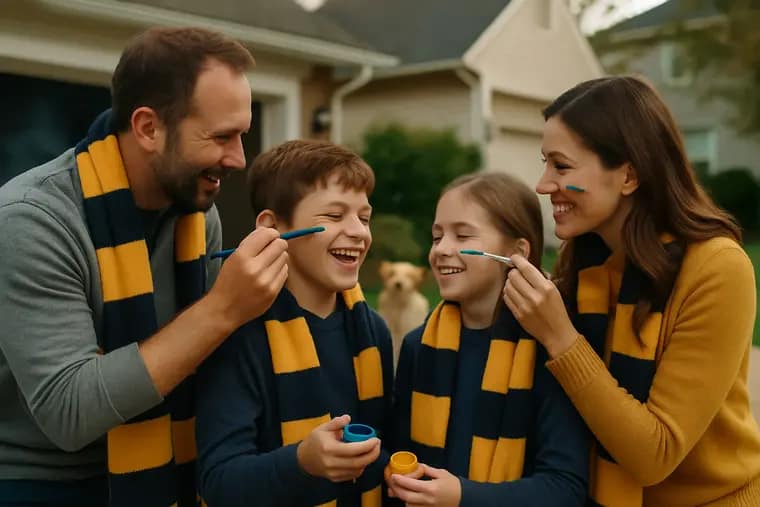
Texas football communities often run on memory. A father remembers his own senior night. A mother remembers marching at halftime. A grandparent remembers when the stadium looked different. Those memories become part of the way families explain the game to younger fans.
That multi-generational feel is one of the strongest pieces of the culture. A child may first come for nachos, a mascot, or a chance to run around near friends. Later, that same child learns the fight song, recognizes the rival, and understands why a district game in October can feel heavier than the weather suggests.
Coaches and players change. Class years roll through. The community role stays steady because each group hands something down. It might be a parking tradition, a tailgate spot, a seat near the band, or the habit of staying until the school song is done. Those small choices tell students that their effort matters beyond the stat sheet.
Why Texas High School Football Community Still Matters
Texas High School Football remains powerful because it gives local people a shared place to put their pride. It can honor cultural identity, as seen in pregame traditions. It can fill major venues during championship weekends. It can bring families, students, alumni, and local businesses into the same Friday rhythm.
That is why Texas High School Football still carries such weight across the state. The sport gives communities a reason to gather, remember, travel, cheer, and pass traditions forward. The scoreboard decides the game, but the stands show why the night matters.