

Texas high school football has a way of making a town feel gathered, even before kickoff. Lights come on above the field, cars fill the lots, and families settle into familiar seats with grandparents, parents, students, and young kids all pointed toward the same stretch of grass. The game matters, but so does the weekly act of showing up.
Across the state, high school football is tied to community identity and Friday night routines. In many small towns, games serve as central community events, with local business support visible through sponsorships and signage near the field, a role described in the Texas high school football history account from Touch Archive. That kind of support is not abstract. It is the restaurant that stays busy before kickoff, the hardware store banner on the fence, the family that plans supper around the game, and the alumni who still know the fight song by heart.
The tradition works because it is shared. A stadium on Friday night can bring together students, teachers, coaches, parents, marching bands, cheer squads, local officials, shop owners, and former players who have not worn shoulder pads in years. Each group has a place in the rhythm of the night. The team may be the reason people gather, but the community is what keeps the stands full and the routine alive.
Why Texas High School Football Still Feels Local
The size of the state can make Texas football feel huge, but the heart of it is local. Most fans are not watching a faraway program through a screen. They are watching a neighbor’s son take a handoff, a cousin play in the band, a friend’s daughter lead the student section, or a teacher work the chain crew. That closeness changes the atmosphere.
Texas High School Football As A Weekly Gathering
Friday night brings structure to the week. School lets out, the parking lot starts to fill, and the same faces appear at the gate. Some families arrive early to save seats. Others meet friends near the concession stand. Younger kids drift toward open grass or the railings, watching the older students and imagining their own turn under the lights.
In Texas high school football, the scoreboard is only one part of the night. The band’s halftime show, the cheerleaders on the track, the student section chants, and the public-address announcements all help turn a game into a town event. For many communities, especially smaller ones, the stadium is one of the few places where so many generations gather at once.
Traditions That Carry From One Class To The Next
Traditions do not need to be complicated to last. A pregame meal at the same spot, a homecoming parade, a senior night walk with parents, a rivalry-week pep rally, or a postgame stop for burgers can become part of a family calendar. Those routines build memory.
Students graduate, coaches change, and teams rise and fall, but the pattern remains familiar. Alumni come back and point out where they used to sit. Parents tell children about games from years past. A new freshman hears the school song enough times to learn it without trying. That is how a program becomes more than a roster.
How Fan Support Reaches Beyond The Sidelines
Fan support is easy to see in a packed home stand, but it reaches farther than the bleachers. Local businesses often connect their names to the program through signs, sponsorships, and game-night support. In many towns, that relationship is part of the way football and local commerce meet.
Game nights can send more people into nearby restaurants, gas stations, and shops. The effect is most obvious when kickoff draws a large crowd, especially for rivalry games, homecoming, playoff matchups, or games in larger venues. A stadium crowd becomes a small local rush hour, with families buying meals, filling tanks, and stopping for snacks before or after the game.
What Local Businesses Gain On Game Night
The business side of Friday night is practical. A diner near the stadium may see more tables before kickoff. A gas station may handle more traffic from visiting fans. A screen-printing shop may sell more shirts during a good season. These are not separate from the football culture; they are part of it.
For sponsors, the return is not only a sign on a fence. It is a public connection to the school community. A local business that supports the program is seen by parents, students, and alumni across the season. That visibility matters in towns where word of mouth still carries weight.
Why Stadium Size Changes The Game-Day Feel
Some Texas venues show how large the high school football stage can become. Allen High School’s stadium has been described as a $60 million facility with 18,000 seats, and its size has been tied to the local draw of big crowds that can benefit nearby businesses, according to reporting on Allen High School Stadium. That example sits at the large end of the scale, but it points to a broader truth: stadiums can become civic gathering places.
Not every town has a venue of that size, and most do not need one to create a strong game-day atmosphere. Smaller stadiums can feel just as powerful when the crowd is tight to the field and everyone knows the stakes. The setting changes, but the purpose is the same. The stadium gives the community a place to meet, cheer, remember, and belong.
Rivalries, Families, And The Friday Night Rhythm
Rivalry games sharpen the meaning of the week. A regular Friday can become the game people talk about at breakfast spots, in school hallways, at church, and around workplaces. Families mark the date early. Former players may return. Students plan themes. The visiting side brings its own noise.
Texas football rivalries are often built through proximity. Neighboring towns, district opponents, and long-running matchups create stories that carry from one class to another. The records matter, but so does bragging right territory. A win can brighten a whole week. A loss can sting because everyone will hear about it Monday.
Multi-Generational Attendance Builds The Memory
One of the strongest parts of the culture is how many families attend across generations. A grandparent may remember a field before the current press box existed. A parent may remember a playoff run from years earlier. A student may be living the same routine for the first time. All three can sit together on the same night and feel connected to the same school.
That kind of attendance gives Texas high school football community weight. It is not just support for a current team. It is support for a shared place. The game becomes a public family album, filled with familiar jackets, old letterman patches, school colors, and stories retold between plays.
Practical Ways Fans Keep Traditions Strong
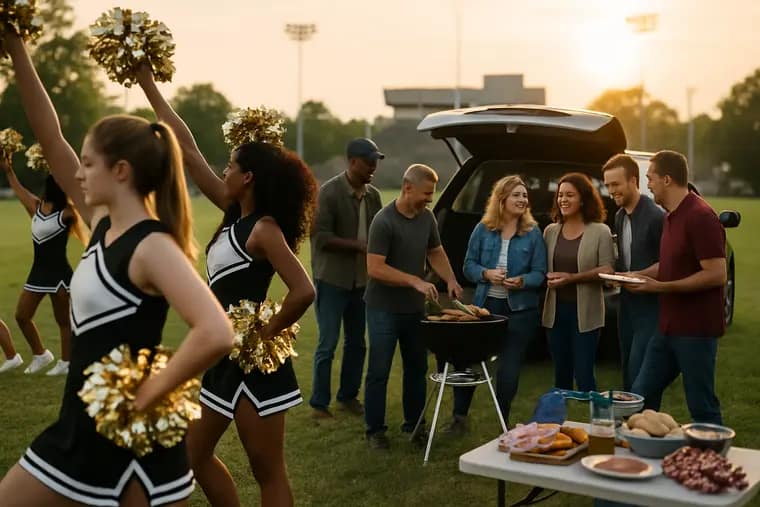
Tradition survives through habits. Fans do not have to be loud for four quarters to support the culture, though that helps on third down. They keep it strong by showing up early, treating visiting fans with respect, supporting school groups, and making Friday night welcoming for families.
- Arrive with patience: Larger crowds can mean fuller lots, longer concession lines, and slower exits after the final whistle.
- Support the whole campus: Bands, drill teams, cheer squads, trainers, student media, and volunteers all shape the night.
- Buy local when possible: Pregame meals and postgame stops help keep game night tied to nearby businesses.
- Respect rivalry lines: Loud is part of football; personal is where the night loses its best quality.
- Bring younger fans into the routine: The next generation learns the tradition by being included.
These habits sound simple because they are. The strength of the Friday night scene comes from repetition. Week after week, people choose the school stadium over staying home. They bring blankets when the weather turns. They wear the same lucky cap. They stand for the anthem, cheer the run-out, and stay long enough for the team to gather after the game.
What Community Support Means Under The Lights
The most lasting part of Texas high school football is not the scale of the biggest stadiums or the size of the loudest crowds. It is the way a town can gather around young people and give their effort public meaning. Players feel it when the stands fill. Coaches feel it when volunteers help the week run. Families feel it when neighbors ask about the next game.
That support does not guarantee wins. It does not erase tough seasons or close losses. What it does is give each game a place in the life of the community. A team can struggle and still matter. A senior class can fall short of a title and still be remembered. A Friday night can be ordinary on the schedule and still become part of someone’s childhood.
Texas high school football endures because it belongs to more than the players on the field. It belongs to the band warming up behind the end zone, the sponsor with a sign on the fence, the parent selling programs, the child chasing a foam football near the stands, and the older fan who knows exactly when the home crowd should rise. Under the lights, community is not a slogan. It is the sound of a town showing up together.