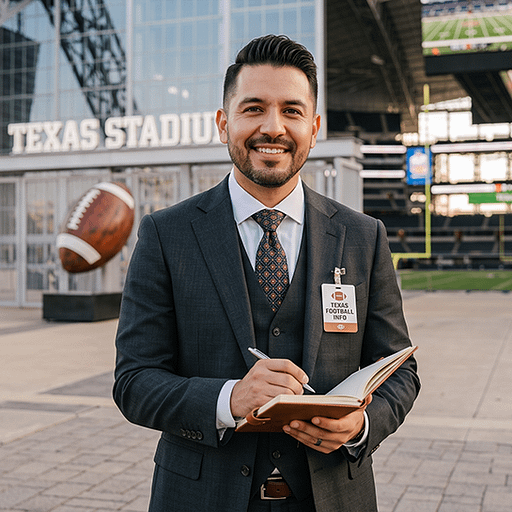

Texas State security will look different around home games as the Bobcats step into their Pac-12 era, and that matters for the families packing coolers, students walking over from campus, alumni setting up tents, and visiting fans rolling into San Marcos. As of September 2, 2026, the main change is clear: Texas State University and the Hays County Sheriff’s Office have a new agreement for added law enforcement support at major events, starting with the football calendar ahead.
For Bobcat fans, this is not just a courthouse item or an athletics operations note. It will shape the first few hours before kickoff, the flow near entry points, the way crowds move after the final whistle, and the general feel of a bigger home-game operation. Texas football communities know that growth comes with tradeoffs. More attention can mean louder Saturdays, stronger visiting turnouts, and a deeper tailgate scene. It also means public safety planning has to grow with the crowd.
What Texas State Security Changes Cover
Texas State Security At The Gates
On August 11, 2026, Hays County Commissioners approved an interlocal agreement between Texas State University and the Hays County Sheriff’s Office for enhanced law enforcement support at large-scale university events. Hays County announced the agreement on August 13, 2026, tying it to home Pac-12 football games, basketball, baseball, and graduation ceremonies Hays County announcement.
The agreement calls for about 60 to 80 Hays County law enforcement personnel at each home game, with the exact number depending on the size of the event and expected attendance. Those personnel may include deputies and corrections officers. Their work is described as support for crowd management, access control, emergency response, and public safety on campus and in surrounding areas.
That means fans should expect a more visible law enforcement presence before they ever reach their seats. The details released so far do not spell out every screening rule or gate procedure, so it would be unfair to claim changes that have not been announced. What is supported is that access control and crowd management are part of the assignment. In plain game-day terms, fans should plan for tighter flow near high-traffic areas and a stronger official presence where people enter, gather, and leave.
Who Pays For The Added Detail
The funding piece is one of the clearest parts of the agreement. Texas State will fully fund the Hays County personnel assigned under the arrangement, so the county does not carry the financial burden. That matters locally because big football Saturdays touch more than campus. They affect roads, nearby neighborhoods, restaurants, hotels, and the regular weekend rhythm of San Marcos.
Hays County personnel will also receive added training and preparation ahead of the season for the demands of major collegiate athletic events. That detail matters because a college football Saturday has its own pulse: tailgates begin early, students arrive in waves, visiting fans often move in clusters, and postgame exits can quickly stack up near common routes.
How Game Day May Feel Around UFCU Stadium
Arrival, Tailgates, And Access Points
Texas State’s first home football game in the Pac-12 era is scheduled for September 12, 2026, against UTSA at UFCU Stadium, with the added Hays County support expected to begin with that game Yahoo Sports report. That opponent gives the opener a familiar Texas edge. UTSA brings a regional fan base, and games with in-state flavor tend to pull in people who know the roads, know the parking pinch points, and know how early the best tailgate spots can fill.
For regulars, Texas State security changes may be most noticeable in the small moments. A deputy near a traffic crossing. A longer look at a gate line. More direction around gathering spaces. A stronger response setup if weather, medical needs, or crowd movement creates pressure. None of that replaces the Bobcat feel of a home game; it simply adds a larger public safety frame around it.
- Build in more time before kickoff, especially for the September 12, 2026 UTSA game.
- Watch for official directions near gates, pedestrian routes, and gathering areas.
- Do not assume every entry routine from past seasons will feel the same.
- Keep tailgate plans flexible if officers or event staff adjust movement near access points.
Those are practical habits rather than new official rules. The released information supports added staffing and access-control work, not a full list of new fan restrictions. Until Texas State releases more event-specific procedures, the safest planning advice is simple: arrive with patience and expect a bigger operation.
What Is Known And What Is Not
Some parts of the plan are firm. The agreement exists. It was approved on August 11, 2026. It was publicly announced on August 13, 2026. Texas State is funding the added support. About 60 to 80 Hays County personnel may be used per home game, based on event needs. The support areas include crowd management, access control, emergency response, and public safety.
Other parts remain less detailed in the public material. Specific screening procedures, exact fan arrival recommendations, and any item-by-item entry changes were not fully listed in the available announcements. Fans should be careful with rumors in group chats or tailgate circles. Texas football talk travels fast, especially before a new conference chapter, but gate policies need to come from official channels.
For readers comparing this with other Texas football game-day planning, our related breakdown on Texas State security plans tracks the same shift from a fan logistics angle.
Why The Pac-12 Move Changes The Crowd Picture

A Rivalry Opener With UTSA
The timing of the agreement is tied to a larger sports moment in San Marcos. Texas State’s 2026-27 athletic year marks its first in the reconfigured Pac-12, and football will carry much of the first wave of attention. A home opener against UTSA on September 12, 2026, gives the change a very Texas starting point: two fan bases within reachable travel distance, a Saturday at UFCU Stadium, and a campus community adjusting to a bigger conference stage.
That does not mean every home game will feel the same. The agreement allows staffing numbers to depend on event size and expected attendance. A packed football date will not have the same rhythm as every other university event. Still, the agreement shows that Texas State and Hays County are preparing for higher visibility and heavier public safety demands tied to Pac-12 membership.
Beyond Football Saturdays
The agreement is not limited in spirit to one sport. Hays County’s announcement listed home Pac-12 football games along with basketball, baseball, and graduation ceremonies. The Yahoo Sports report also noted that added law enforcement support may extend to other Texas State home sporting events if more public safety services are requested.
That point matters in a college town where sports, school milestones, and family weekends often overlap. A spring baseball series, a basketball night with strong attendance, or a graduation crowd can create some of the same pressure points: traffic, campus access, pedestrian flow, and the need for clear emergency response lanes.
For fans, the football opener will likely serve as the first real look at how the joint effort feels in practice. The best Texas game days still leave room for sausage smoke, folding chairs, old friends, marching band echoes, and kids wearing jerseys a size too big. The safety plan is meant to sit behind that scene, not take it over.
Texas State Security And The Home Game Feel
Practical Habits For Bobcat Fans
Texas State security will be part of the new home-game identity because it sits at the point where football growth meets community responsibility. The Bobcats are entering a period with more attention on UFCU Stadium, and Hays County is adding people and preparation to match that stage.
Fans do not need to turn game day into a worry list. They should treat the change like they would a new kickoff window, a larger visiting crowd, or a hotter-than-usual September afternoon: plan a little earlier, stay aware, and give the people working the event room to keep traffic and crowds moving.
The soul of a Texas football Saturday is still found in the familiar places. It is in the family that has parked in the same general area for years, the students walking in together, the visiting fans comparing barbecue stops, and the last burst of noise before kickoff. The law enforcement change is a sign that the stage around those traditions is getting larger. If fans meet it with patience and good timing, San Marcos can keep its home-field warmth while handling the demands that come with Pac-12 football.