

Longhorns schedule changes have already become part of the 2026 fan conversation in Austin, even though the most recent date shifts announced by Texas Athletics apply to future home games in 2027 and 2028. The reason is simple: schedule timing affects how Texas fans buy tickets, plan weekends, book hotels, manage family routines and read the value of a home slate.
As of September 16, 2026, Texas is already two home dates into a seven-game home schedule at Darrell K Royal-Texas Memorial Stadium. The opener against Texas State was played on Saturday, September 5, 2026, at 2:30 p.m. CT. The home game against Ohio State followed on September 12, 2026. The research provided does not include final scores for those games, so this analysis sticks to what is verified: the dates, the home-game structure and the planning issues tied to them.
Longhorns Schedule Changes And The 2026 Fan Calendar
Longhorns Schedule Changes Started With The National Calendar
On September 3, 2026, Texas Athletics announced that four Longhorn home games over the next two seasons were moving up by one week, a shift tied to the NCAA FBS Oversight Committee’s decision to make what had been “Week Zero” the official season-opening week, according to the Texas Athletics announcement.
The known changes from the supplied research are all future dates. In 2027, the Texas home game against New Mexico State is now scheduled for August 28 instead of September 4. The 2027 UTEP home game moves to September 11. In 2028, the home game against Louisiana Tech is now set for August 26 instead of early September. The research notes say four home games are moving, but only three opponent-date examples are listed, so the fourth should not be named without another verified source.
For Texas fans, the Longhorns schedule changes matter before those future dates arrive. They show that the college football calendar is being pulled earlier, and that adjustment changes the rhythm of late summer in Central Texas. Families that once treated Labor Day weekend as the clean start of football season now need to account for possible August home dates, campus move-in conflicts, school-year routines and travel demand in Austin.
What Texas Has Already Played At Home
The 2026 home calendar gave Texas fans an early example of how front-loaded the season can feel. Texas hosted Texas State on September 5, 2026, then hosted Ohio State on September 12, 2026. Those two dates came before the SEC home portion of the schedule listed in the research: Florida on October 17, Ole Miss on October 24, Mississippi State on October 31 and Arkansas on November 21.
That structure matters because not all home games ask the same things from fans. A non-conference home opener can be easier for students already near campus, but it can be harder for families adjusting to school calendars. A major non-conference opponent such as Ohio State changes hotel pressure, parking expectations and ticket demand. SEC home games later in October and November carry their own pull because visiting fan bases travel, alumni plan fall weekends around them and local businesses near campus see heavier demand.
Why Earlier Dates Change Austin Planning
Travel, Lodging And Heat Are Real Factors
Moving home games into late August affects more than the printed schedule. Austin weather, hotel demand and campus access all become bigger parts of the fan experience. Visit Austin’s game-day guidance points traveling fans toward planning for lodging, transportation and weekend logistics around Texas football Saturdays, especially for visitors coming in for SEC weekends and other high-demand games through the Austin game-day guide.
Earlier kickoffs on the calendar can mean hotter conditions around tailgates, longer daytime exposure for families and a greater need to plan water, shade and arrival timing. The supplied research does not provide weather forecasts for specific future dates, so it would be wrong to claim exact conditions. Still, Central Texas fans understand the difference between an August afternoon and a late October evening. The date alone changes how people prepare.
That is why related planning coverage, including this local piece on the early fan-planning impact, fits the issue. The schedule is not just a football document. It sets family calendars, alumni trips, restaurant traffic, hotel stays and student routines.
Kickoff Windows Still Drive The Day
Date changes are only one layer. Kickoff windows still decide how a Texas football Saturday works. The supplied research notes that home games can fall into morning, early, afternoon or night windows, with some flex designations that may move from afternoon to night depending on television decisions.
That uncertainty is not new in college football, but it hits harder when fans are traveling from Dallas-Fort Worth, San Antonio, Houston, West Texas or out of state. A morning window can mean a Friday hotel stay or a very early drive. A night window can push families into a late return or another overnight stay. An afternoon-to-night flex window leaves fans waiting on details before they can lock in meals, parking, child care or campus meetups.
For local fans, the issue may be less about mileage and more about timing. A later kickoff changes when people arrive near campus, how long they stay after the game and whether they use rideshare, garages or walking routes. For students, the September 5 opener against Texas State at 2:30 p.m. CT offered an early chance to be part of the stadium environment before the academic year settled into its full weekly pace.
Ticket Value And Home Slate Stakes
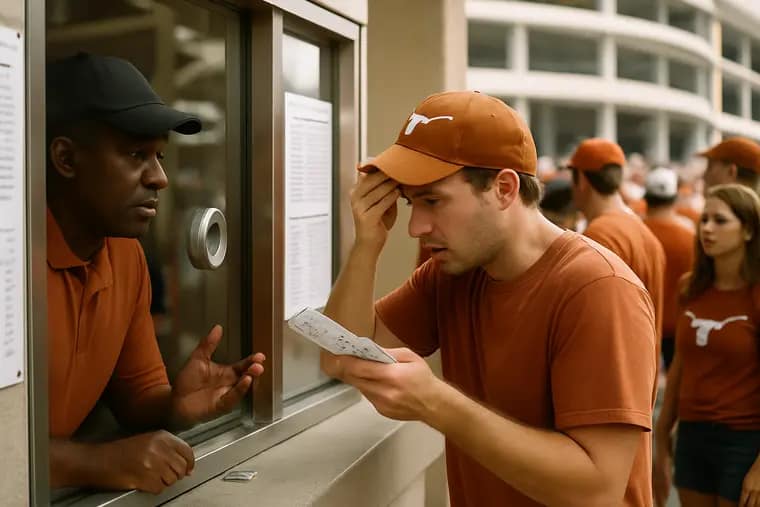
Seven Home Games Changed The Season-Ticket Math
The 2026 season includes seven Texas home games at Darrell K Royal-Texas Memorial Stadium: three non-conference games and four SEC matchups, according to the supplied research. That is a meaningful number for season-ticket holders because every extra home date adds both value and cost pressure.
The research says season ticket prices increased by approximately 7% per seat for 2026, tied in part to the added revenue opportunity from more home games, the Ohio State home game and the greater number of SEC home matchups. It also says Texas committed to a three-year freeze on any further season ticket price increases through the 2028 football season after the 2026 increase.
For fans, that tradeoff is the practical question. A larger home slate can justify more total access, especially when it includes a national non-conference opponent and four SEC games. At the same time, higher upfront costs matter for families buying multiple seats, alumni traveling in for several games and fans deciding whether to keep, add or reduce their ticket commitments.
- More home dates can raise the value of a season-ticket package.
- Earlier season starts can create new travel and heat-related planning issues.
- Flex kickoff windows can delay final weekend plans.
- SEC home games can increase demand around hotels, parking and restaurants.
SEC Home Dates Carry Local Weight
The four listed SEC home games in 2026 give Austin a concentrated run of conference Saturdays: Florida on October 17, Ole Miss on October 24, Mississippi State on October 31 and Arkansas on November 21. That stretch matters competitively and locally.
From a football standpoint, SEC home games test roster depth, weekly preparation and crowd involvement. From a fan standpoint, they bring visiting supporters, more out-of-town alumni and more pressure on the campus-area game-day setup. The Arkansas date also carries regional interest because of the border-state connection and the history of the matchup for older Texas fans.
No verified economic impact figure was included in the supplied research, so this article does not attach a dollar amount to those weekends. What can be said is that high-demand home games affect the local sports economy through lodging, food, transportation and game-day staffing. That is part of why the home schedule matters beyond the stadium gates.
What Longhorns Schedule Changes Mean For Texas Fans
The clearest read on Longhorns schedule changes is that Texas fans need to treat the calendar as a moving part, not a fixed routine. The September 3, 2026 announcement dealt with future seasons, but its effect is already visible in how fans think about the sport: earlier starts, more attention to kickoff windows and more pressure to plan Austin weekends well before game week.
For the 2026 campaign, the key home dates still on the supplied schedule after September 16 are the SEC games against Florida, Ole Miss, Mississippi State and Arkansas. For 2027 and 2028, the known date moves put at least some Texas home games into late August or earlier September slots than originally planned.
That does not change the core draw of Texas football Saturdays. It changes the details that make them work. Fans who track dates, television windows, hotel needs, campus access and family schedules will be better positioned than those waiting for the week of the game. In Austin, that kind of preparation has become part of the season itself.