

Texas Football 2026 is arriving with more than the usual preseason questions about quarterbacks, rivalries and district races. For high school fans across the state, the season is being shaped by rule updates, technology changes, realignment effects, transfer eligibility debate and early rankings that give August and September a sharper edge.
The biggest mistake for fans is treating this as a normal reset. The teams still have to block, tackle, travel and handle the heat, but the framework around the season has shifted in ways that matter on Friday nights. Some changes affect only flag football. Some affect equipment access for players. Others touch the way families plan road trips, how schools adjust to new district opponents and how communities talk about player movement.
Not every item changes the scoreboard in Week 1. The value for fans is knowing what is already in place, what is still under review and what could affect later seasons. That is especially true in Texas, where high school football is tied to school calendars, local business traffic, stadium staffing, marching bands, booster clubs and long drives after work.
Texas Football 2026 Starts With New Rules
The clearest rule movement comes from the National Federation of State High School Associations. The NFHS approved eight revisions to high school flag football rules for the 2026-27 season, including a possession-retention option for a trailing team after it scores NFHS flag football rules. The mechanism is similar in concept to how an onside kick gives a trailing tackle football team a chance to keep the ball, though the flag version uses a fourth-down play from the team’s own 20-yard line.
Texas Football 2026 And Flag Football Changes
For Texas Football 2026 readers, the key is separating flag football rules from tackle football expectations. The research supports that these are NFHS flag football revisions for 2026-27. It does not state that every Texas high school competition will use the rule in the same way or on the same timeline. Families should confirm local formats through their school, district or event organizer before assuming the rule applies on a given night.
Still, the change is worth tracking because it reflects where the sport is heading. A late-game possession option can affect coaching choices, player conditioning and fan understanding of clock management. If a trailing team can earn one more possession after scoring, the final minutes of a flag football game may carry a different rhythm than fans are used to in traditional tackle games.
Equipment Access For Quarterbacks
Equipment language is also changing. The NFHS has updated football equipment rules to allow quarterbacks to wear play cards on their belts, in addition to the wrist or arm locations already associated with play-call access NFHS football rule changes. That may sound small from the stands, but it matters to players who need quick access while staying comfortable and legal under the rulebook.
For coaches, belt-worn cards can help with signal systems, no-huddle operations and personnel packages. For fans, it is a reminder that modern high school football is not only about who has the strongest roster. Communication, substitution timing and clean execution are part of the weekly contest, especially in districts where teams know each other well.
Realignment And Travel Are Part Of The Season
The 2026 season also sits inside a new UIL district alignment cycle. The research notes that UIL football district alignments for the 2026-2028 seasons affect approximately 150 schools statewide, with enrollment shifts and new schools driving many of the changes. That matters in a state where a district road game can mean a short bus ride in one league and a long weeknight trip in another.
Realignment changes more than opponent names. It can adjust scouting schedules, sub-varsity travel, band and cheer logistics, parent carpools and stadium demand. A school that previously had a familiar district loop may now face new venues, different kickoff routines and less common routes. For fans trying to keep up, our local read on UIL football realignment pairs well with the week-to-week planning questions this season creates.
Why District Maps Change Fan Planning
District placement affects how a season feels. A rivalry game can move earlier or later. A playoff-path favorite may suddenly face a stronger district schedule. A team trying to build confidence with younger players may have fewer familiar opponents on film. None of that guarantees wins or losses, but it changes the pressure points coaches and families feel during the season.
This is also where the Texas high school calendar can become practical fast. Fans should check whether a new district opponent has different parking patterns, visitor-side seating limits, cashless ticketing expectations or longer concession lines. The research does not list venue-by-venue policies, so the safest move is to check school announcements before leaving home.
Rankings Give The Preseason A Starting Point
Preseason rankings are not standings, but they help frame early conversation. The research says Dave Campbell’s Texas Football released 2026 preseason rankings, with Columbus leading Class 3A Division I ahead of Gunter and Paradise. In Class 5A Division I, DeSoto is listed first, followed by Smithson Valley and Frisco Lone Star.
Those placements give fans a baseline, not a script. Injuries, depth, weather, travel, turnover margin and district matchups still decide games. For Texas Football 2026, the rankings are most useful when they help identify which early games may reveal whether a team is handling its new schedule, replacing key starters or building toward district play.
Program Strength Versus One-Year Hype
The research also notes that 2026 Texas High School Football Program Rankings evaluate UIL programs over the past six seasons. That type of view is different from a single-year poll. It points toward consistency, coaching stability, playoff staying power and roster development across multiple graduating classes.
For fans, the distinction matters. A preseason ranking can spotlight the current roster. A program ranking can explain why certain schools keep appearing deep into November and December. In Texas, where coaching staffs, feeder programs and community support can create long-running momentum, both views help tell the story of a season without pretending August has already decided December.
Technology And Transfers Add New Questions
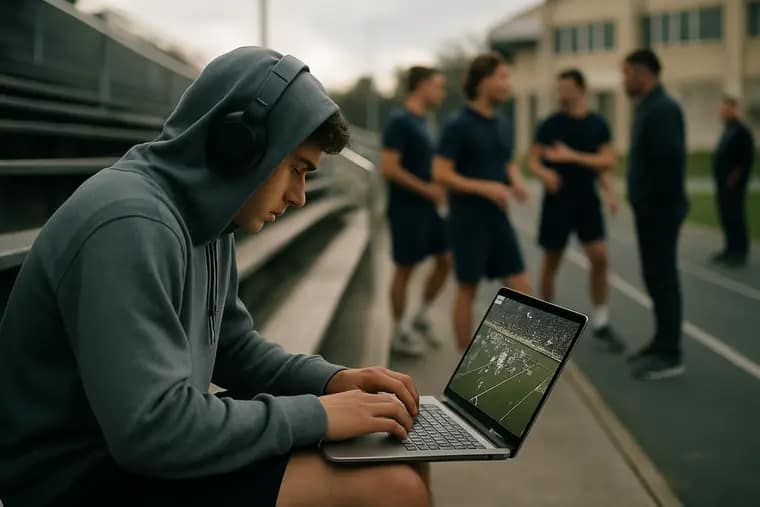
Technology is already part of the high school conversation. The research states that starting in the 2025 season, the UIL approved wearable technology for play-calling in football games. Devices such as wristbands and belt-packs can be used to communicate plays, while sideline tablets and electronic devices remain prohibited.
That creates a clear line for fans to understand. Play-calling wearables may be allowed, but the research does not support a free-for-all with tablets on the sideline. For coaches, the value is communication. For players, the challenge is handling tempo without losing focus. For officials and administrators, the task is keeping equipment use within approved limits.
Transfer eligibility is another statewide talking point. The research notes recent UIL rulings declaring John Meredith III and Colton Nussmeier ineligible for varsity competition due to transfers deemed for athletic purposes. The names draw attention, but the larger issue is how schools, families and fans interpret movement in an era when rosters can change quickly.
For communities, transfer cases can be sensitive because they involve students, families and school identity. Fans should be cautious about rumors and stick to official rulings or verified reporting. On game night, the practical question is simple: who is eligible, who is on the roster and how does the staff adjust?
- Check school and district pages before road games for ticketing, parking and heat policies.
- Confirm whether a game is tackle football or flag football before applying rule-change assumptions.
- Treat preseason rankings as context, not proof of postseason results.
- Watch how new district travel affects depth, substitutions and late-season fatigue.
- Separate verified UIL eligibility decisions from social media talk.
Fans who want a week-of-game planning angle can also use our high school game-day plan for practical reminders on travel, heat preparation and road-game routines.
Why Texas Football 2026 Feels Different For Families
Texas Football 2026 feels different because the story is not limited to which teams are ranked in July. The season is being shaped by national rule changes in flag football, equipment updates in football, UIL alignment shifts, wearable play-calling rules, transfer eligibility debates and possible playoff-format discussion for future seasons.
The research also notes that UIL is considering extending home-field advantage to Classes 4A and below for early-round playoff games, with a pilot proposal expected in October 2026 and possible implementation in 2027. That means the idea is not a confirmed 2026 playoff change based on the information available, but it is worth watching because it could affect travel, revenue and community turnout in later seasons.
For families, the best approach is practical. Learn the new district map. Watch for school-level travel updates. Read eligibility news carefully. Understand the difference between rule changes that apply now and proposals that may come later. In a state this large, the teams that manage details often give themselves a better chance to handle the parts of the season fans never see from the bleachers.
That is the real preparation point for Texas Football 2026: the games will still be decided on the field, but the season around those games is changing. Fans who know the rules, the road trips, the roster questions and the timing of UIL decisions will be better prepared for every Friday night from kickoff through the playoff race.