

UIL Home Playoffs will change the feel of the first round for Texas high school football communities beginning with the 2027-28 school year, if the rule clears its final state approval step. The UIL Legislative Council approved the change on October 19, 2026, allowing higher-finishing district teams to host first-round playoff games in all football classifications, not only Class 5A and Class 6A, according to a Yahoo Sports report.
For small towns, rural districts, marching bands, grandparents, alumni, and Friday-night concession crews, this is not just a bracket adjustment. It moves more playoff football back under familiar light poles, near the same parking lots where families have gathered since August. The rule takes effect with the 2027-28 school year, which begins August 1, 2027, for UIL calendar purposes, according to a San Angelo LIVE report.
As of October 27, 2026, the rule had been approved by the UIL Legislative Council and still awaited final approval by the Texas Commissioner of Education. That matters for school leaders planning budgets, facility staffing, security, band travel, and postseason routines more than a year in advance.
Why UIL Home Playoffs Change The First Round
UIL Home Playoffs And Classification Equity
For years, first-round home playoff guarantees were tied to larger-school football. Class 5A and Class 6A teams had that advantage, while smaller classifications often worked through neutral-site arrangements or faced longer trips. The newly approved rule extends the home-field model across all football classifications.
That shift speaks directly to competitive structure, but its community meaning may be just as large. A district champion or higher-finishing team in 2A, 3A, or 4A would no longer have to surrender the first round to a distant neutral stadium simply because of classification. The home reward would look more consistent from the biggest suburban programs to smaller schools spread across West Texas, the Panhandle, East Texas, South Texas, Central Texas, and the Concho Valley.
UIL Home Playoffs gives local supporters a more direct link between regular-season finish and postseason atmosphere. Winning district games would not only affect seeding. It could decide whether the first playoff Friday starts with a sendoff from campus or a long caravan to a neutral field.
The First-Round Mood At Home
A neutral-site playoff game can carry its own charm. Texas has plenty of stadiums that have hosted classic November nights for schools from opposite ends of a highway. But a home playoff game brings a different pulse. The band knows the tunnel. The student section knows where to stand. The chain crew, concession volunteers, and booster parents already understand the flow of the stadium.
That familiarity matters in towns where football is woven into school-week rhythm. Pep rallies become easier to plan. Alumni have a clearer reason to come back. Younger players see the varsity postseason staged on the same field where they hope to play someday. Families who might skip a four-hour drive may be able to walk in after work, bring younger children, and stay for the whole night.
Local Travel, Bands, And Friday Night Routine
The Rural Drive Gets Shorter
The travel effect is one of the clearest community pieces. Research from San Angelo LIVE pointed to examples where neutral-site trips can reach as much as four hours and roughly 260 miles for one side. In rural regions, that kind of distance reshapes the whole playoff day. Students leave earlier. Parents adjust work schedules. Bands, cheer squads, trainers, and administrators need transportation plans that can stretch deep into the night.
Moving more first-round games to the higher-finishing team’s stadium reduces that load for one community and gives the home side a normal school-day rhythm. It also means visiting teams know the reward structure before the season: finish higher in district, and the first trip may be avoided.
For readers following how the earlier 4A-and-below discussion framed these travel concerns, our related piece on home-field advantage in 4A and below looked at why those miles can carry so much weight for families and school operations.
Bands, Students, And Alumni Stay In The Picture
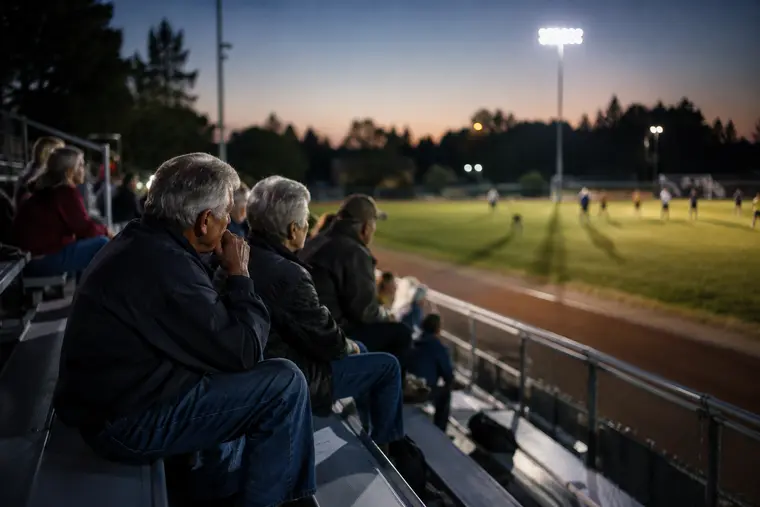
Texas playoff football is not only the 48 minutes on the field. It is the drumline warming up near the buses, the home-side fence filling before kickoff, the local radio crew setting up in the press box, and the familiar wave of letter jackets moving through the gate.
Long neutral-site trips can thin that scene. Some families cannot make the drive. Some younger students stay home. Some alumni follow by updates instead of standing along the rail. A local first-round game can keep more of those people inside the stadium. That does not guarantee a packed house, but it gives the community a better chance to show up in full.
For school bands and spirit groups, the change could be especially meaningful. Travel planning for large student groups can be costly and time sensitive. A home playoff date keeps more routines intact: rehearsal, meal plans, instrument loading, chaperone schedules, and postgame pickup all become less strained.
What Home Gates Could Mean For Small Town Budgets
Ticket Windows, Concessions, And Parking
The money side should be handled carefully because UIL had not released a full impact study as of October 27, 2026. Still, the basic local effect is clear from the approved concept: when a school hosts, more ticket, concession, and parking activity happens at the home venue rather than at a neutral site.
For smaller athletic departments, that can matter. Playoff operations cost money. Stadium staffing, security, officials support, lighting, cleanup, and concession inventory all require planning. A first-round home game can put more of the night’s activity in the hands of the local school community, though final revenue arrangements and expenses depend on UIL procedures and district-level handling.
Local pride also shows up through the workers behind the scenes. Booster clubs, parent volunteers, school staff, and student groups often help run the game-night machine. Hosting a playoff game gives those groups a larger stage and a chance to serve a crowd that might include visitors from another part of the state.
A Main Street Friday With Playoff Traffic
The approved change is centered on school competition, not local commerce. Still, football traffic has always spilled into town life. A home playoff night can mean earlier dinners, more cars near campus, relatives meeting before kickoff, and visiting supporters stopping near the stadium.
The scale will vary. A small-town first-round game will not affect every community the same way. Weather, opponent distance, kickoff time, school size, and stadium capacity all shape the night. But the direction is easy to understand: keeping the first round closer to campus keeps more of the pregame and postgame movement near the host community.
Open Questions Before 2027-28
The Commissioner Approval Step
The UIL Legislative Council vote did not finish the process by itself. As of October 27, 2026, final approval by the Texas Commissioner of Education remained the next formal step before implementation for 2027-28. Schools can discuss likely effects, but they still need to wait for final confirmation and any operational details.
That timeline gives athletic directors, superintendents, coaches, and booster groups time to prepare. Home playoff planning is different from a regular-season Friday. Visiting crowds may be larger than expected. Media requests can grow. Parking, ticketing, gates, concessions, security, and band seating need clear plans before the first bracket is released.
The Mileage Marker Question
One concern raised in the reporting is whether UIL could still use a neutral site through a mileage-marker policy when the distance between schools is excessive. That question matters in a state as wide as Texas. A first-round pairing can stretch across long roads, especially in sparse regions.
If a mileage rule remains part of the process, some matchups may still leave home campuses for a midpoint. That would not erase the broader change, but it would keep flexibility for unusual travel burdens. Until UIL releases final operating details, communities should treat the home-field plan as approved by council but still subject to final state approval and any distance-based procedures.
What UIL Home Playoffs Mean For Local Tradition
A Playoff Night That Feels Like Home
Texas high school football traditions are built through repetition. Same gate. Same band entrance. Same families in the same section. Same local voices calling names from the press box. A playoff game at home lets those details carry into November instead of pausing when the bracket begins.
The change could give district races a sharper local edge, too. Rivalry weeks already carry weight. Under the new plan, finishing higher in district may decide who gets the home crowd in the first round. That adds meaning without changing what Texas communities already understand: regular-season Fridays set the table for playoff nights.
UIL Home Playoffs will not make every travel concern disappear, and the Commissioner of Education still had final review pending as of October 27, 2026. But if implemented as planned for the 2027-28 school year, the rule would return more first-round energy to local stadiums. For many towns, that means playoff football closer to the band hall, closer to Main Street, and closer to the people who built the season one Friday at a time.