

In Texas, home-field advantage starts long before kickoff. It shows up in the first pickup pulling into a high school parking lot, the smell of brisket near a college tailgate, the band warming up behind the stands, and the way a crowd knows exactly when to get loud. Fans feel it in their bones because they help build it every week.
Still, the fan view and the scoreboard do not always tell the same story. A packed stadium can rattle a visiting offense, but research on sports home advantage points to more than crowd noise. Familiar routines, travel, venue comfort, officiating pressure, and team quality all shape what happens after the ball is kicked.
That mix matters in Texas football because the state treats game day as a community event. A college Saturday in Austin, Lubbock, Fort Worth, Denton, or College Station has a different rhythm than a neutral-site game. A Friday night at a high school stadium has its own pressure, especially when the visiting side brings a caravan from one county over. The advantage is emotional, but it is also practical.
What Home-Field Advantage Means To Texas Fans
For Texas fans, the phrase is not just a number in a model. It is the feeling that the home team gets to play in its own language. The players know the sight lines, the locker room, the wind, the turf, the pregame timing, and the walk from warmups to the sideline. Families know where to park. Students know when to stand. Bands know when to hit the fight song. That shared timing gives a stadium its personality.
Home-Field Advantage Beyond Noise
The loudest moments get remembered first, especially after a false start, a late defensive stand, or a fourth-quarter timeout when the home sideline is waving for more volume. But home-field advantage also lives in quieter places. It is the quarterback not needing to adjust to a silent cadence in his own stadium. It is a kicker who has already practiced with the same wind pattern. It is a defense feeding off a student section that can sense a third-and-long before the scoreboard prompts anything.
Research outside Texas supports that wider view. A study discussed by The Guardian found that home advantage can remain even without crowds, which points toward factors such as familiarity and travel, not only noise. That does not make fans unimportant. It simply means the crowd is one part of a larger game-day equation.
Why The Same Stadium Can Feel Different By Week
No Texas venue feels the same every Saturday or Friday. A noon kickoff can test tailgate energy. A cold front can change the crowd mix. A district game with playoff stakes can feel heavier than a non-district matchup, even in the same high school stadium. In college football, opponent name, kickoff window, student turnout, and season context all affect the sound in the building.
That is why fans often trust memory more than averages. They remember the night the visiting offense could not hear. They remember the packed rivalry game, the band echoing under the press box, and the drive home with everyone replaying one snap. Those memories are real, even if they do not prove the same edge exists every week.
The Texas Ingredients That Shape Stadium Energy
Texas football culture gives the home team several built-in advantages before the first series. Some are unique to college towns. Others belong to high school communities where the stadium sits close to the heart of town and the same families have been sitting in the same section for years.
- Routine: Home teams keep normal school, meal, meeting, and warmup rhythms.
- Travel Pressure: Visitors deal with buses, flights, hotel timing, or long drives across the state.
- Venue Familiarity: Players know turf, lights, wind, locker rooms, and sideline space.
- Community Noise: Students, bands, alumni, and families can change the feel of key downs.
- Pregame Comfort: Home crowds arrive with familiar parking, gates, concessions, and seating habits.
That last point matters more than people admit. A calm home crowd can settle into the game faster because the logistics are known. Visiting fans may still be finding seats when the first drive starts. In high school football, that can be as simple as knowing which entrance gets backed up after the freshman game or which side catches the setting sun.
College Saturdays From Tailgate To Fourth Quarter
At the college level, the day stretches beyond the game itself. Tailgates turn parking lots into reunions. Alumni bring children back to campus. Students move in waves toward the stadium. A visiting team steps into a full-day atmosphere that has been building since breakfast.
Texas venues carry different reputations, and the research notes tied to this topic point to examples across the state, including Texas, North Texas, Texas Tech, Texas A&M, and TCU. Those claims use different years and methods, so they should not be stacked as a clean ranking. What they do show is that Texas fans keep asking the same question: which places truly affect the game, and which places only feel intimidating from the seats?
The honest answer is usually both. A stadium can be unforgettable for fans and still produce uneven competitive results. A team can own a loud building one year and struggle there the next. The crowd gives energy, but the roster and coaching still have to finish drives, protect the ball, and handle special teams.
Friday Night Lights And The Local Edge
High school football adds another layer. The crowd may include teachers, classmates, youth players, grandparents, city officials, and former players who still know the school song by heart. The visiting side may be just as loud in a rivalry, but the home team gets the familiar field and the daily comfort of staying on campus.
That matters most in tight games. A sideline packed with students can lift a defense late. A band can keep energy from sagging after a turnover. A community that understands the stakes can turn an ordinary second quarter into something with weight. For many Texas towns, the home stadium is not just a venue. It is where the week gathers.
Where Crowd Noise Helps And Where It Can Mislead
Crowd noise is the easiest part of home-field advantage to notice. It can bother communication, force timeouts, and make the line of scrimmage feel rushed. Fans know this, which is why third down becomes a civic duty in so many stadiums.
But noise can also fool the home crowd into thinking it controls more than it does. If the home offensive line misses a block, noise does not fix it. If the opponent has a veteran quarterback, the roar may not bother him for long. If the home team starts slow, even a famous stadium can get tense.
Professional football research has also raised questions about how much of the edge comes directly from fans. The Washington Post reported on analysis of NFL home-field trends that pointed to factors beyond crowd presence, including travel and officiating patterns NFL home-field trends. College and high school football are not the NFL, but the larger lesson fits: the crowd matters most when it joins other advantages already working in the home team’s favor.
How Fans Can Build A Better Game-Day Edge
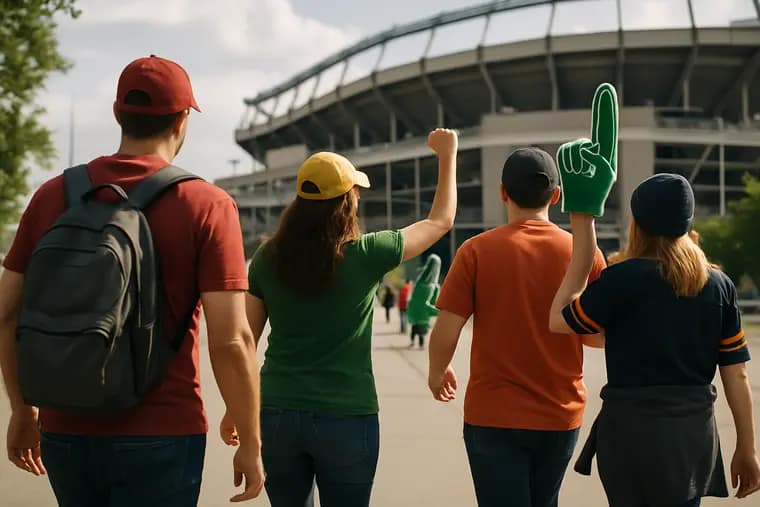
Texas fans cannot call plays, cover kicks, or make halftime adjustments. They can still help create the conditions that make a home game feel harder for visitors. The best game-day crowds are not only loud. They are timely, organized, and aware of the moment.
- Arrive Early: A full lower bowl or packed home stand during warmups sends a message before kickoff.
- Know The Situations: Save the loudest push for third downs, goal-line snaps, and late-game possessions.
- Respect The Home Offense: Noise helps the defense, but silence can help a young quarterback communicate.
- Support The Whole Night: Bands, cheer squads, trainers, managers, and scout-team players all shape the feel.
- Plan The Logistics: Parking, gates, weather, and concessions affect whether families stay engaged late.
That practical side is part of Texas football culture. A strong crowd does not happen by accident. It depends on school communication, traffic flow, kickoff timing, student participation, and family comfort. If fans are stuck in a parking line or missing a quarter at concessions, the stadium loses some of its edge.
Small Habits That Travel From College To High School
Some of the best traditions move both directions. College-style student sections influence high school crowds. High school bands shape future college game-day expectations. Families who spend Friday under the lights often spend Saturday on a campus, carrying the same habits with them: show up early, stand on defense, sing after scores, and stay until the alma mater or school song.
Those habits help explain why home-field advantage feels so personal in Texas. It is not only about winning percentages. It is about belonging to the side that knows the place best.
Why Home-Field Advantage Still Matters In Texas Football
The safest way to understand home-field advantage is to treat it as a stack of small edges. The crowd is one edge. Familiarity is another. Reduced travel is another. Local routine is another. None guarantees a win, but together they can shape a game, especially when teams are evenly matched.
For fans, that makes the role both humbling and meaningful. The home crowd does not win the game by itself. Players still block, tackle, throw, catch, and adjust. Coaches still manage the clock and solve matchups. Yet the stadium can make those jobs feel a little lighter for the home sideline and a little heavier for the visitors.
That is why Texas football people keep showing up. They know the bus ride, the band cadence, the tailgate smoke, the student roar, and the late fourth-quarter stand all belong to the same story. The edge may be hard to measure cleanly, but anyone who has heard a Texas stadium rise before a decisive snap understands why it still matters.