
Kyle Field logistics became a bigger part of the Texas A&M football experience in 2026, not because one change carried the whole day, but because several fan-facing details worked together: app tools, cheaper core concessions, parking timing, shuttle windows, pedestrian flow, and stadium operations built around Texas heat.
For Aggie fans, those changes mattered before the band played, before the Yell Leaders took over, and before the first third-down roar rolled through the stands. College Station game days reward people who plan ahead. In 2026, Texas A&M gave fans more tools, but also more timing rules to respect.
The official athletics update listed a new fan guide and stadium map inside the 12th Man App, $1 price reductions on hot dogs, nachos, and candies, plus a new $6 popcorn option Texas A&M’s 2026 upgrades. Those are practical changes for families, students, former students, and first-time visitors who need quick decisions once they are on campus.
What Changed In Kyle Field Logistics For 2026
The 2026 updates were not limited to one part of the stadium. They touched the pregame arrival, the way fans found information, the cost of basic concessions, and the flow around high-traffic areas near Kyle Field.
Kyle Field Logistics In The App
The 12th Man App carried more weight in 2026 because the fan guide and stadium map were available inside it. That matters on a crowded Saturday. Fans trying to find an entry point, concessions area, restroom, seating section, or postgame meeting spot benefit from having those tools in one place before cell service gets strained by a large crowd.
For regulars, the app helped confirm what had changed. For visitors, it cut down on guesswork. Texas A&M games are not small events, and Kyle Field’s size can turn a simple question into a long walk if fans wait until they are already inside the wrong gate or on the wrong side of the stadium.
Concessions Became A Little Easier On Families
Food prices did not define the full fan experience, but the 2026 concession changes were useful. A $1 reduction on hot dogs, nachos, and candies gave families a bit more room when buying for multiple people. The new $6 popcorn option also gave fans another lower-cost item compared with heavier meal choices.
That sort of change fits the way Texas football crowds actually attend games. Many families arrive early, stay through the heat, and need snacks for kids long before halftime. A cheaper core menu item may not change whether someone attends, but it can change how often they step away from the seat or how much they spend once inside.
Arrival, Parking, And Shuttle Timing
Game-day access around Texas A&M still required planning in 2026. Parking opened at 7 a.m. on game days. Fans were strongly encouraged to pre-pay through ParkMobile, which was the only approved provider noted in the research. General pay-on-arrival lots were listed at $25 to $40.
That setup rewarded early decisions. Fans who waited until they reached College Station had fewer easy choices, especially near kickoff windows with heavier traffic. Anyone building a full Saturday plan needed to decide whether to prioritize proximity, cost, tailgate setup, or a faster exit route.
For a parking-specific angle on the same season, our breakdown of Texas A&M parking changes connects the lot rules to arrival timing and postgame movement.
Shuttle Windows Were Clear, But Not All The Same
Gameday shuttles, both on campus and off campus, operated from three hours before kickoff through one hour after the game. The Bush Library route had a longer runway, beginning five hours before kickoff. That earlier start helped fans who wanted to avoid the heaviest campus traffic or build in time for tailgates and pregame traditions.
The key for families was matching the shuttle plan to the kickoff window. An 11 a.m. kickoff compresses breakfast, parking, security, and seating time. Afternoon and night games create more space, but they can also bring longer tailgate stays and more movement near the stadium late in the day.
Pedestrian Flow Got More Attention
The new pedestrian passageway through the West Campus Garage basement level connected Olsen Boulevard to Pickard Pass. Its purpose was to separate pedestrians from vehicle traffic. That is the type of detail that may not show up in a highlight package, but it affects thousands of people trying to move through the same corridor at the same time.
Safety rules around wheels also shaped the day. No Wheels Zones were in effect from 3.5 hours before kickoff until one hour after the game. Bikes, scooters, and skateboards had to be dismounted, and pedicabs were restricted from crossing Wellborn Road. Fans who used scooters or bikes around campus needed to account for those windows instead of assuming they could ride up to the stadium late.
Stadium Operations Behind The Fan Experience
The most visible parts of a Texas A&M game day are the crowd, the team entrance, the student section, and the traditions. The less visible work starts earlier. In 2026, Kyle Field operations reflected how much infrastructure is required to host a major football crowd in Texas weather.
Cooling And Utility Work Started Before Fans Arrived
Texas A&M Facilities & Energy Services said game-day utility and energy operations began at 4 a.m. the day before kickoff to get ahead of Texas heat and bring stadium areas to proper operating temperatures Kyle Field operations. That schedule shows how early the game-day clock really starts for the people running the venue.
Before the Sept. 12, 2026 home game against Arizona State, Texas A&M held a large “Royal Flush” plumbing system test on Aug. 18, 2026. During that Sept. 12 game, stadium cooling used about 5,000 gallons per minute of chilled water entering at 41 degrees and returning at 60 degrees. That chilled water was distributed through nine levels, 25 air handling units, about 200 variable air volume boxes, and about 216 fan coil units.
Those numbers help explain why stadium comfort is not just a fan-service issue. In College Station, heat management affects concourses, suites, work areas, concessions, and the stadium staff who keep the event moving. For Kyle Field logistics, the behind-the-scenes operation is part of the same game-day plan as parking and entry gates.
Fan Experience Additions Around The Stadium
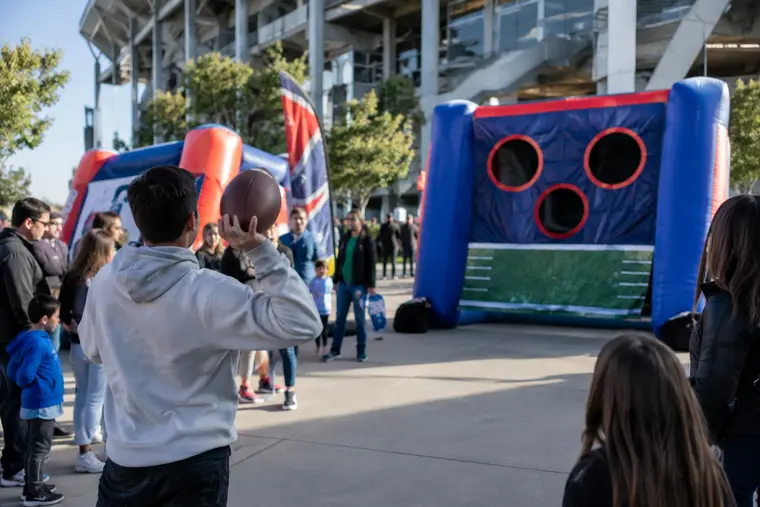
Texas A&M also leaned into fan experience changes that were not strictly about traffic or utilities. The 12th Man Memories program debuted in 2026 with field access between the third and fourth quarters and behind-the-scenes Kyle Field experiences. The first offerings began in Week 1 of the season.
Those experiences fit the direction many major college venues have taken: create more reasons for fans to value being in the stadium rather than only watching from home. At Kyle Field, that effort had to fit around long-standing traditions, not replace them.
Beer Garden Timing Depended On Kickoff
The Coors Light Beer Garden outside Entry 8 became permanent for 2026 home games. Its opening time depended on the kickoff window: four hours before night and afternoon games, and two hours before early 11 a.m. kickoffs.
That difference mattered. For later kickoffs, fans had more time to gather outside the stadium before entering. For 11 a.m. games, the shorter window matched the faster morning schedule. Fans who planned to meet there needed to tie their arrival to the actual kickoff time, not use one routine for every home date.
- Check the kickoff time before setting a campus arrival plan.
- Use ParkMobile before traveling if parking is part of the plan.
- Build shuttle time around the three-hour pregame window, or five hours for the Bush Library route.
- Expect No Wheels Zones near the stadium during the restricted window.
- Open the 12th Man App before reaching the most crowded areas.
Why Kyle Field Logistics Matter In Aggieland
Kyle Field logistics matter because Aggie game days are full-campus events. A fan’s experience can be shaped by a parking choice at 8 a.m., a shuttle line three hours before kickoff, a pedestrian rule near Wellborn Road, or a concession stop between quarters.
The 2026 changes did not remove the need to plan. They gave fans more structure. The app made stadium information easier to find. The concession changes helped with basic food costs. Shuttle windows gave clearer timing. Parking rules pushed fans toward approved pre-payment. The cooling and utility work showed how much preparation sits behind the stadium gates before kickoff.
For Texas families, former students returning to College Station, and visitors seeing an SEC crowd at Kyle Field, the best approach in 2026 was simple: treat the day as a timed event, not just a football ticket. The football still carried the afternoon or night. The plan around it decided how much stress came with the trip.