

Longhorns kickoff times are no longer a small calendar detail for Texas fans. They shape when families leave work, when alumni book hotels, when students head toward campus, and how much stress builds before a game ever starts.
That is not just a Texas issue. Across American sports, leagues and schools have moved start times around to satisfy television partners, improve family attendance, reduce late-night finishes, and serve audiences across multiple time zones. The practical result is clear: fans are being asked to plan earlier, absorb more uncertainty, and make quicker decisions once broadcast windows are assigned.
College football feels that pressure more sharply than most sports because kickoff times often are not set far in advance. Some games are assigned to six-day television holds, which limits lead time for travel, lodging, parking and family planning. For a state as large as Texas, that matters. A noon kickoff in Austin is a different logistical event for a family driving from Dallas, Houston, San Antonio or the Rio Grande Valley than a 6:30 p.m. start.
Texas fans are used to heat, traffic and high demand around major games. What has changed is how often the first decision point now comes from television timing rather than the opponent alone.
Why Longhorns Kickoff Times Now Matter More
The strongest argument for paying close attention to start times is not convenience. It is cost. A kickoff window can change hotel needs, meal plans, childcare, arrival time, postgame departure and even whether a family chooses to attend in person.
Longhorns Kickoff Times And Family Schedules
Sports outside college football have already shown why earlier starts appeal to families. Major League Baseball reported that the average nine-inning game dropped from 3 hours, 10 minutes in 2021 to 2 hours, 36 minutes in 2024, and that games ending before 10 p.m. rose from 44.7% in 2021 to 87.8% in 2024, according to MLB’s timing data. Baseball is not football, but the fan behavior lesson transfers: parents care about end times as much as start times.
That should resonate in Austin. A late-night finish at Darrell K Royal-Texas Memorial Stadium is fun for students and younger alumni, but it can be a grind for families with kids, older fans, and out-of-town supporters facing a long drive. A morning or early afternoon start can create its own strain, especially in hot weather, but it gives families a clearer path home before midnight.
For Texas fans, Longhorns kickoff times sit at the center of a tradeoff. Early games compress pregame routines and put pressure on travel. Later games improve tailgate windows and campus atmosphere but extend the day and can push departures deep into the night.
What Broadcast Windows Do To Travel Plans
The college model adds uncertainty because television selections often drive final kickoff assignments. That is especially difficult in Texas, where fans may travel several hours from every direction. A fan in Houston can plan very differently for a 2:30 p.m. kickoff than for an 11 a.m. kickoff. A family from Dallas might avoid a hotel for a night game but need one for an early start. A San Antonio trip may be manageable either way, but parking and arrival time still shift.
This is why the planning conversation has moved beyond checking the opponent. Fans now have to think in ranges: early window, mid-afternoon window, prime-time window. The earlier those windows are known, the better the in-person experience becomes.
What Other Sports Teach Texas Football Fans
Start-time changes are not happening in isolation. They are part of a broader sports business pattern. Leagues want better television windows. Teams want more family-friendly attendance. Cities want smoother traffic patterns. Fans want certainty.
The NFL offers one example of how powerful timing can be for audience behavior. Yahoo Sports reported that NFL opening week drew 19.5 million viewers, down 13%, in a story on NFL opening-week viewership. Even in the country’s strongest television sport, the placement of games across windows remains part of the attendance and viewing equation.
Traffic Starts Before The Ticket Scan
The 2026 FIFA World Cup provided another useful planning lesson. During the June 16-21, 2026 opening stretch, traffic data cited in the research showed pre-match speed drops of 25-50% below normal within one mile of stadiums in multiple cities. That data point did not come from college football, but the pattern is familiar to anyone who has tried to enter a Texas stadium district close to kickoff.
The mistake many fans make is treating kickoff as the target arrival time. For major football games, that is too late. The real target is the point before roads, garages and stadium gates reach peak pressure. If a game kicks at 11 a.m., that may mean leaving before breakfast. If it starts at 6:30 p.m., that may mean accepting that normal dinner plans and stadium entry do not fit neatly together.
A Practical Planning Grid For Fans
Texas fans do not need a complicated formula. They need a realistic planning grid that changes with the kickoff window.
| Kickoff Window | Main Pressure Point | Practical Fan Adjustment |
|---|---|---|
| Late Morning | Compressed travel and parking | Leave earlier than feels natural and reduce pregame commitments |
| Mid-Afternoon | Heat, meal timing and traffic overlap | Build in shade, water breaks and extra arrival time |
| Evening | Late postgame departure | Plan the ride home or lodging before kickoff day |
| Short-Notice TV Hold | Uncertain lodging and family plans | Use flexible reservations when possible |
This is where Longhorns kickoff times become a practical issue rather than a television note. Fans who wait until game week to think through traffic, hotels and group travel often pay for that delay in either money or time.
How Texas Fans Should Read Kickoff Windows
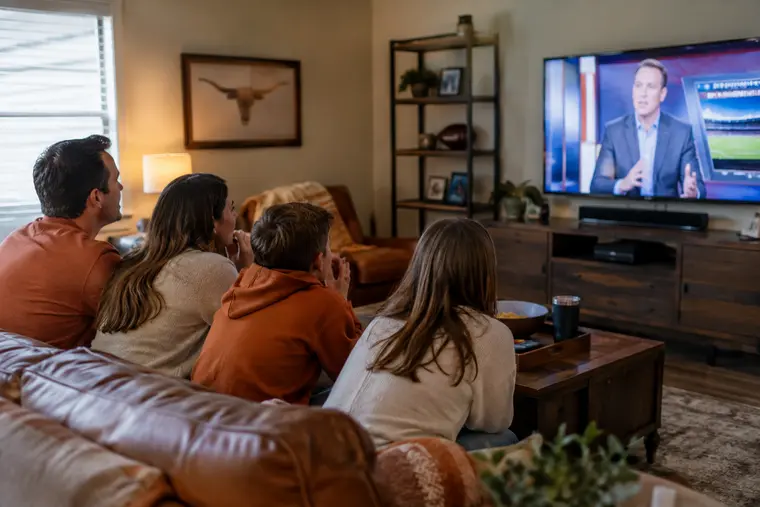
The SEC television structure puts more attention on windows than fixed early announcements. That is not likely to change quickly, because networks value flexibility late in the season. Better games get better slots. Teams playing for higher stakes often get moved into windows that draw larger audiences.
That reality is good for exposure but harder on fans. It rewards flexible planning and punishes rigid schedules. The families most affected are often the ones most committed to attending: season-ticket holders, alumni traveling with children, former students coordinating group trips, and high school football families trying to balance Friday night games with Saturday college trips.
The High School Football Factor
Texas is not like every other college football market. Friday nights belong to high school football in many communities. Parents, coaches, players and bands may be tied up late on Friday before trying to reach Austin on Saturday. An early Saturday kickoff can turn that into a demanding turnaround.
That does not mean early windows are bad. They can help television exposure, reduce late-night travel, and allow fans to return home the same day. But in Texas, the football calendar is layered. High school games, college trips, youth sports and family obligations all compete for the same weekend hours.
That makes the best fan advice fairly simple: do not treat kickoff as a single time. Treat it as the anchor for the whole weekend. If a family’s Friday night is already full, an early Saturday game should trigger a different plan than a night kickoff.
Why The Internal Calendar Matters
Texas fans benefit when they track confirmed windows as soon as they are released. The planning value is not just knowing whether a game is early or late. It is knowing when to book a hotel, when to reserve parking, and when to tell the group that a day trip no longer makes sense.
That is why the schedule conversation around confirmed September starts mattered beyond the television listing. It gave fans a planning baseline before game week, which is often the difference between a manageable Saturday and a rushed one.
What Longhorns Kickoff Times Mean For Texas Fans
Longhorns kickoff times will keep shaping the fan experience because college football is now built around television windows, not just stadium routines. Texas fans can complain about that reality, but the better response is to plan around it with clear eyes.
The fan who wins the logistics battle usually does three things well. First, that fan plans for a window before the exact time is known. Second, that fan treats Austin traffic as part of the game-day schedule, not an obstacle to squeeze in later. Third, that fan understands that family attendance depends on end time as much as kickoff.
Texas football has always asked for commitment from its fan base. The new version asks for more flexibility. For local supporters, that may mean adjusting Saturday routines. For out-of-town fans, it may mean booking refundable rooms, monitoring TV windows, and deciding earlier whether a trip still works.
The stakes are not abstract. Better planning keeps fans in seats, reduces frustration around the stadium, and helps families keep attending rather than turning game day into an all-day stress test. The teams and networks will continue making timing decisions for competitive and broadcast reasons. Fans still control how prepared they are once those decisions land.
That is the real lesson for Texas supporters: the kickoff time is not just when the ball goes in the air. It is the first domino in the entire game-day plan.