

On August 3, 2026, Midnight Practices gave a few Texas high school football programs a cooler way to open fall work without waiting for daylight. Lytle, a UIL program, and Holy Cross, a TAPPS program, began at 12:01 a.m., the earliest practice window reported for teams opening fall training under state rules KSAT reported.
That timing was not just a novelty. In Texas, August football is a planning problem before it becomes a roster problem. Coaches have to install base offense, evaluate depth, start conditioning, protect players and stay within safety rules while heat remains one of the strongest forces on the calendar. A 12:01 a.m. workout does not remove every risk, but it changes the first practice from a midday heat test into a controlled opening session.
For players trying to earn snaps, that first session matters. A freshman trying to show he can retain calls, a backup linebacker pushing for special-teams work, or a senior lineman proving his conditioning all get evaluated from the first whistle. The recruiting angle is not about hype. It is about practice habits, body control, coachability and recovery showing up before the first scrimmage.
Why Midnight Practices Worked In August Heat
Midnight Practices And The 12:01 A.M. Start
The 12:01 a.m. start carried practical value because it let teams begin as soon as rules allowed while avoiding the hottest part of the day. For programs that did not hold spring training, the research notes identify 12:01 a.m. as the earliest possible time to begin fall practice. That made the overnight window attractive for staffs trying to create energy without asking players to handle full August sun during the first organized football work of the fall.
Midnight Practices also gave coaches a cleaner teaching environment. The first practice is usually heavy on alignment, tempo, substitution mechanics and basic communication. Cooler hours can help players stay more alert during installation periods, especially when coaches are correcting stance, footwork and assignment rules that affect every position group.
Why The Cooler Window Matters For Roster Evaluation
A cooler practice does not automatically mean an easier practice. It can mean a more useful one. Coaches can watch which players finish drills, who listens during corrections, who handles special-teams periods and who can carry technique from individual work into team periods. Those details matter for Friday depth charts, but they also matter for players hoping to build a recruiting profile later in the fall.
Recruiting attention in Texas high school football often begins with verified varsity performance, academic standing, body projection and film. Early practices support that process by giving position coaches a better read on readiness. If a player cannot handle tempo, meetings and recovery, it becomes harder to trust him in larger roles. If he handles the first week with maturity, the staff has more reason to expand his reps before scrimmages and non-district games.
How UIL Heat Rules Changed Practice Planning
WBGT Monitoring Became Part Of The Routine
The UIL heat safety rules that took effect on August 1, 2026, changed how outdoor sessions had to be managed. Schools were required to measure Wet-Bulb Globe Temperature before outdoor practices and keep monitoring every 30 minutes during activity Click2Houston reported. That standard made the practice clock, the weather reading and the equipment plan part of the same conversation.
Under the research notes, most of Texas falls into a Class 3 heat zone. A WBGT reading of 82 degrees or higher required practice modifications. At higher readings, limits affected practice length, equipment use and conditioning. When readings passed 90 degrees, outdoor work was restricted much more sharply, and at the highest thresholds, workouts had to move indoors or be canceled.
Those rules help explain why the overnight window had value. A staff without an indoor facility had fewer easy options once the sun rose and heat stress climbed. Starting just after midnight gave schools another way to get legal, productive work done while still respecting the new safety framework.
Heat Acclimation Still Set The Pace
The five-day acclimation period remained a key part of August planning. The research notes describe a gradual equipment build: helmets only for the first two days, helmets and shoulder pads without contact on days three and four, then full pads and contact permitted on day five. That progression meant coaches could not treat the first overnight workout like a late-season practice.
For player development, that matters. Linemen need contact work, but they also need footwork, hand placement and conditioning before full-speed collisions. Quarterbacks and receivers need timing without turning every rep into a fatigue drill. Defensive backs and linebackers need communication periods that do not become sloppy because of heat. A controlled opening week can produce better teaching tape than a longer, hotter session with fading technique.
For a related look at how the policy shift affected Texas football routines, our coverage of UIL heat protocols tracked how August practice planning changed for schools across the state.
What Coaches Learn From Overnight Work
Conditioning Shows Up Differently
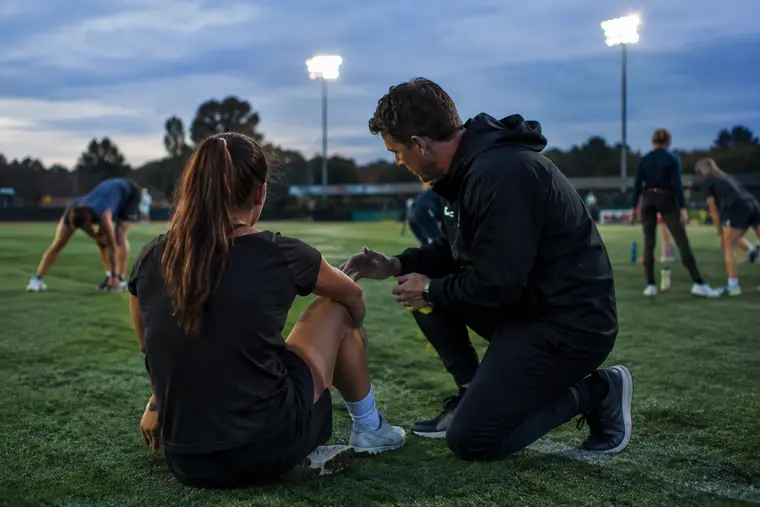
Midnight Practices were not a complete answer to conditioning. They changed the conditions under which conditioning could be evaluated. Coaches still had to see who could finish, who recovered between reps and who maintained technique late in a period. The difference was that the staff could separate football conditioning from some of the most severe heat stress that comes with a daytime August workout.
That distinction is useful for player profiles. A prospect’s practice value is not just height, weight or a highlight clip. It is how he takes coaching after a mistake, how he moves in a pursuit drill, how he handles water breaks without losing focus and how consistently he repeats his assignment. Those traits are easier to chart when a practice is structured well and not dominated by heat management alone.
Smaller Programs Face A Different Test
The overnight model also exposed the resource gap between programs. Schools with indoor space, larger training staffs and more cooling equipment have more flexibility. Smaller schools without indoor facilities have to be sharper with scheduling, WBGT devices, cooling areas, water access and transportation. A midnight start may help, but it still requires supervision, athletic training support, lighting, security and parent communication.
That affects athletes directly. A player at a smaller program may have fewer facility advantages, but he can still gain trust by being reliable in the structure his school can provide. For recruiting and college projection, that context matters. Coaches evaluating Texas players should understand whether a prospect developed in a large suburban operation or in a smaller setting where every rep, role and recovery period required more personal responsibility.
- For coaches: the key was balancing installation with safety checks and recovery windows.
- For players: the first week rewarded maturity, hydration habits, sleep planning and assignment discipline.
- For families: overnight practice created different transportation and rest demands before school routines settled in.
- For evaluators: early practice behavior offered context, not a substitute for verified game film.
Why Midnight Practices Matter For Texas Player Development
The lasting value of Midnight Practices is not the unusual start time. It is the way they showed how Texas programs adapted to heat, safety rules and the pressure to prepare players for real football. On August 3, 2026, Lytle and Holy Cross used the earliest possible window to begin work. Other schools faced the same core challenge: build a team without asking teenagers to absorb unnecessary heat risk.
For prospects, that first week became part of the development record. No responsible evaluator should make a recruiting judgment from one overnight practice, and the available research does not verify specific scholarship outcomes tied to these sessions. What can be said is that early practices reveal habits that later show up on film: effort, attention, recovery, positional discipline and physical readiness.
In Texas high school football, the heat is part of the calendar, but it should not be the whole story. The best staffs used the overnight window as one tool among many: WBGT monitoring, acclimation, limited equipment periods, smarter scheduling and steady teaching. That is where the player-development value sits. A safer, sharper August gives athletes a better chance to earn roles, build trustworthy film and enter the fall with their bodies prepared for the work ahead.