

Texas Transfer Portal activity has become one of the clearest ways to read how the Longhorns are building the 2026 roster. The high school pipeline still matters in Austin, especially inside the state, but the portal now fills immediate needs, tests depth-chart confidence and forces hard decisions at positions where snaps are limited.
The research notes tied to Texas’ 2026 cycle show 187 total transfer movements, with 63 incoming players and 124 outgoing players. Those numbers should be read with care because portal tracking can shift as databases update, but the direction is clear enough: Texas has not treated player movement as a side issue. It has become part of roster construction.
That does not mean every move carries the same weight. A receiver who can play early, a running back who adds proven depth or a defensive lineman who can hold up in SEC rotation work is different from a developmental addition. The better question is not simply how many players moved. It is where those moves hit the depth chart and whether they help Texas balance short-term competition with long-term player development.
How Texas Transfer Portal Moves Changed The 2026 Build
The portal numbers in the research notes point to a large roster churn. Texas is listed with an average transferred-player rating of 0.88, roughly equal to 3.3 stars. That figure suggests the Longhorns have not only chased headline names; they have also taken players who may fit specific roles, special-teams needs or position-room depth.
Roster Needs Came Before Star Talk
For a program competing in the SEC, that approach is practical. Texas needs top-end talent, but it also needs enough functional depth to survive a long season. Injuries, practice competition and game-week matchups can expose thin spots quickly. A portal class can help close those gaps faster than waiting two or three years for every high school signee to develop physically.
The key is fit. If an incoming player blocks a younger player without raising the room’s ceiling, the move can create a different problem. If an addition gives Texas a player who can contribute right away and still leaves a development path for younger talent, the move makes more sense.
Texas Transfer Portal Fit Starts With Pass Catchers
The receiving room is the easiest place to see why fit matters. Cam Coleman, a wide receiver who transferred from Auburn, is one of the major pass-catcher additions identified in the research and in the SI pass-catcher review. The research notes list Coleman with a 0.98 rating, which makes him one of the highest-profile incoming players in this group.
For Arch Manning, a receiver with that kind of profile can change how a defense prepares. Texas still has to sort out timing, route trust and red-zone usage through practice and games, but Coleman’s addition gives the passing game another option in a room that also experienced departures.
Pass Catchers Are The Clearest Portal Flash Point
The research notes list 11 incoming wide receivers and 20 outgoing wide receivers. That is a major swing at one position. It reflects both opportunity and pressure. Receivers want targets, and a room with limited snaps can become crowded quickly. Texas wants enough talent to stretch the field, win contested throws and protect the quarterback with separation, but not every player can receive a full role.
DeAndre Moore Jr. is listed in the research notes as a notable departure after entering the portal on January 13, 2026. Coleman’s arrival helps offset that kind of loss, but it does not erase the work required to rebuild chemistry. Quarterback-receiver timing is not automatic. It is earned through repeated practice reps, coverage adjustments and game-speed trust.
Athlon described Texas’ portal work as part of the reason the 2026 roster outlook drew national attention in its Athlon transfer review. For Texas fans, the practical read is simple: pass-catcher movement will affect how the offense looks early, especially if Coleman earns a major role.
Backfield Depth Is Part Of The Same Roster Math
The running back room carries a different type of pressure. Carries are limited, pass protection is non-negotiable, and the SEC schedule often forces teams to use more than one back. The research identifies Raleek Brown as a senior running back from Arizona State whose addition is expected to bolster the backfield. It also identifies Hollywood Smothers as an incoming running back with a 0.94 rating, while not specifying his previous program in the provided notes.
Running Backs Must Add More Than Carries
Backfield additions matter because Texas cannot build the 2026 offense around one ball carrier and hope the room stays intact. Backs have to protect Manning, handle short-yardage situations, catch enough to keep defenses honest and hold up through contact. That is why the transfer path can be useful at this position. Older backs often arrive with practice habits, strength development and college-level contact experience.
Our related breakdown of Texas transfer backs focuses on how Brown and Smothers could affect balance around Manning. That balance matters because a reliable run game can help Texas avoid putting too many long-yardage snaps on the quarterback.
That is why Texas Transfer Portal activity should not be judged only by splash names. A running back who handles protection and keeps the offense on schedule can be just as valuable as a receiver who produces highlight plays.
Defensive And Line Movement Shows The Scale
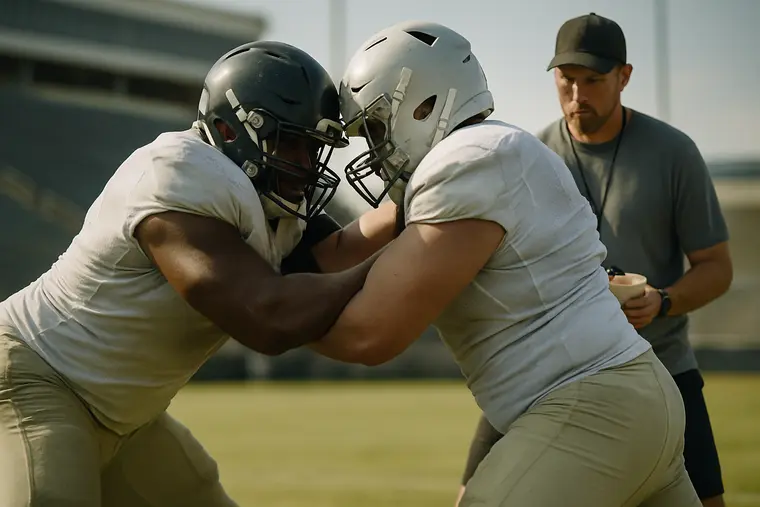
The defensive side of the research shows how wide the churn became. Defensive line movement is listed at 12 incoming and 12 outgoing transfers. Linebacker movement is listed at 9 incoming and 13 outgoing. Cornerback movement is listed at 6 incoming and 12 outgoing. Those are not small adjustments.
| Position Group | Incoming Transfers | Outgoing Transfers |
|---|---|---|
| Wide Receiver | 11 | 20 |
| Defensive Line | 12 | 12 |
| Linebacker | 9 | 13 |
| Cornerback | 6 | 12 |
Nick Brooks, listed as an interior offensive lineman with a 0.92 rating, is identified in the research notes as a departure on January 14, 2026. Interior line losses can be easy to overlook from the outside, but they matter. Offensive line depth affects practice quality, short-yardage calls and the way Texas protects its quarterback through a full season.
On defense, balanced movement along the front may point to a reset rather than a simple shortage. Texas needs linemen who can rotate without a major drop-off. Linebacker and cornerback movement can affect special teams as much as base defense, especially when younger players are asked to cover kicks, handle space and learn multiple assignments.
- Receiver movement is the most visible because it affects Manning’s target group.
- Running back additions can help protect offensive balance and third-down execution.
- Defensive front movement will show up in rotation depth before it shows up in box scores.
- Cornerback and linebacker departures can put pressure on special-teams units.
What Texas Transfer Portal Activity Means For 2026
The 2026 roster picture is not just a list of arrivals and exits. It is a set of choices by a staff trying to match talent, age, scheme fit and opportunity. Texas has used the portal to add players with clear paths to help, especially at receiver and running back, while also absorbing departures that will test depth at several positions.
For Texas Transfer Portal evaluation, the next step is not hype. It is role clarity. Coleman has to translate his profile into timing with Manning. Brown and Smothers have to prove where they fit in the backfield rotation. Defensive and line additions have to show whether they can handle SEC practice speed and game-week physicality.
The portal has not replaced recruiting in Texas. It has changed the roster calendar. High school evaluations, spring development, summer conditioning and transfer additions now all meet in the same depth-chart conversation. For the Longhorns, that makes 2026 less about one signing class and more about whether every acquisition has a defined job once the season arrives.