

Texas Game Day for high school football works best when the basic decisions are handled before the band warms up, before the gate line forms, and before the parking lot starts filling. A little planning changes the night for parents, students, grandparents, alumni, and visiting fans who may not know the campus or stadium layout.
The core steps are simple: confirm the schedule, buy tickets early when demand is expected, arrive with enough time to park and find seats, check the weather, and know the stadium rules before you walk toward the gate. Texas high school football is local by nature, so one school district’s setup may look different from another’s. Treat every stadium as its own trip, even if you have been to plenty of games around the state.
Texas Game Day Starts With The Schedule
Texas Game Day Schedule Checks
The schedule should be the first stop. The research notes list the 2026 Texas high school football season as opening Thursday, August 13, with 23 games scheduled statewide, and statewide listings are available through the Texas scores page. That kind of early-season date matters because August football in Texas can shape every part of the night, from water planning to arrival time.
Do not rely only on memory, a group text, or last year’s routine. Kickoff time, venue, opponent, and ticketing link should be checked through the school’s official channels before leaving home. If the game is part of a rivalry week, homecoming, early-season opener, or playoff-style crowd, give yourself more time than a normal weeknight errand would require.
A smart Texas Game Day plan also accounts for who is traveling with you. Families with younger children may need extra time for restrooms before kickoff. Older relatives may need a closer drop-off plan. Students may want to arrive early for school activities. Visiting fans should confirm whether they are entering through a separate gate or sitting in a designated section if the host school uses one.
Build The Night Around Kickoff
The research recommends arriving at least 30 minutes before kickoff to secure parking and seating, especially for high-profile games. That is a minimum, not a cushion for every situation. If the stadium sits near a busy road, if the opponent travels well, or if you plan to buy tickets at the gate, 30 minutes can disappear quickly.
Think backward from kickoff. If the game starts at 7 p.m., parking at 6:30 p.m. may work for a smaller crowd. For a popular matchup, arriving on campus closer to 6:00 p.m. gives you more room for ticket lines, bag checks, concessions, and finding your section without rushing through the national anthem or opening drive.
Tickets, Gates, And Seat Timing
Buy Early For Popular Matchups
Tickets can typically be purchased at the gate or online through the school’s official website, based on the research notes. The safest move is to buy in advance when the matchup is expected to draw a larger crowd. Popular games can create longer gate lines, and advance purchase reduces one decision at the stadium.
Before buying, confirm whether the host school uses digital tickets, paper tickets, or both. If tickets are digital, charge your phone before leaving and take a screenshot if the ticketing platform allows it. Cell service can slow down near crowded stadiums, especially close to kickoff. If you are bringing a student group or several family members, decide who is holding the tickets before you reach the gate.
For more stadium-entry planning, the same ideas connect well with broader stadium access habits: know your gate, keep your group together, and avoid waiting until the last few minutes to sort out details.
Know The Stadium Rules Before The Gate
Stadium policies vary by venue. The research notes specifically call out rules on bags, outside food, and prohibited items. Those rules are worth checking before you leave home because the gate is the wrong place to learn that something in your hand, pocket, or bag cannot enter.
A practical pregame check should include the school or district website, the ticket page, and any posted game-day message from the host campus. If the policy is unclear, pack lighter. Bring only what you expect to use. For families, that may mean a small approved bag, rain gear if the forecast calls for it, and enough time to return an item to the car if needed.
| Pregame Decision | Practical Move |
|---|---|
| Schedule | Confirm date, venue, and kickoff before leaving. |
| Tickets | Buy early for popular games when online sales are offered. |
| Arrival | Use 30 minutes before kickoff as the minimum target. |
| Stadium Rules | Check bag, food, and prohibited-item policies. |
| Postgame | Expect traffic and decide whether to wait or use another route. |
Parking And Stadium Access
Expect Venue-Specific Parking Rules
Parking is one of the biggest differences from stadium to stadium. The research notes that arrangements vary by venue, which means fans should not assume that the nearest lot, campus driveway, or street space will be available. Some schools may use campus lots, nearby overflow areas, or posted traffic patterns. The safest plan is to check the host school’s parking instructions before the trip.
Texas football parking rules can change sharply by property and event type. As one official example outside the high school setting, the Texas Facilities Commission lists state-property football gameday parking options that include Lot 26 at 701 W. 51st St., priced at $20 per space from 6:00 p.m. the day before a home game to noon the day after, or $10 per space on Game Day, according to its gameday parking information. That is not a statewide high school rule. It is a useful reminder that the lot owner, event type, and posted instructions control the parking plan.
For high school games, build in flexibility. If the closest lot is full, do not let that ruin the first quarter. Have a second route in mind and know whether your group can handle a longer walk. If someone needs a shorter path, consider dropping them near the entrance before parking, as long as the venue traffic pattern allows it.
Leaving After The Final Whistle
Post-game traffic is part of the experience, especially after tight games, rivalry nights, and large community turnouts. The research recommends expecting heavy traffic after the game and either waiting briefly before leaving or planning an alternate route. That advice is especially useful for visiting fans who are trying to get back to a highway or cross-town road after the home crowd exits.
A simple exit plan helps. Decide where your group will meet if you split up for concessions, restrooms, or student sections late in the game. If you parked far away, take a picture of your row, landmark, or street corner before kickoff. After the game, be patient around crosswalks and school traffic staff. The goal is to get everyone out safely, not just quickly.
Weather, Facilities, And Safety
Prepare For Texas Weather
Texas weather can shift fast, and the research notes that fans should check the forecast, dress accordingly, and bring rain gear if needed. August and early-season games can feel very different from late-season games, so the same bag will not work every week.
For warm evenings, plan for sun exposure before kickoff and hydration before arriving. For wet weather, bring gear that complies with the stadium policy. If cooler weather is expected later in the season, layers are easier than a heavy item you may not need. The key is to prepare without overpacking and slowing yourself down at the gate.
Use Halftime And Breaks Wisely
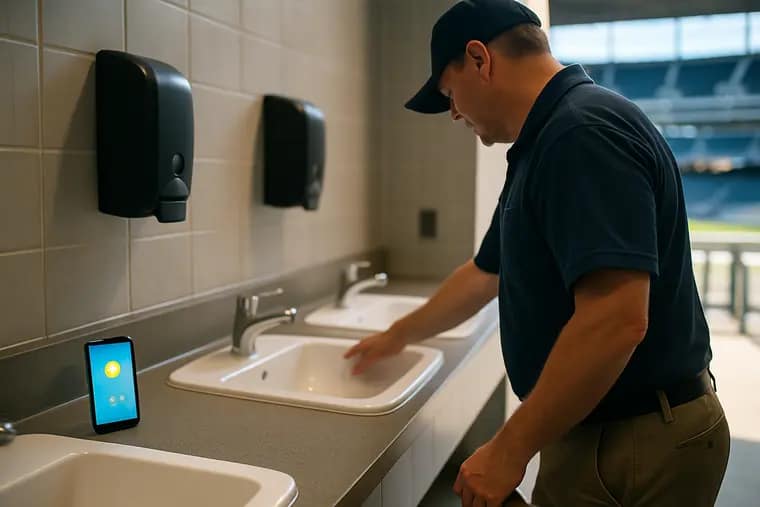
The research notes that most stadiums offer food and beverage options and that restroom facilities are typically available, though lines may form during peak times. Halftime is the obvious rush. If you are attending with children or older relatives, it may be easier to use a break late in the second quarter or early in the third rather than joining the largest line at once.
Safety planning should be just as direct. Be aware of emergency exits, listen for stadium announcements, and follow venue instructions during severe weather. If lightning, heavy rain, or other hazards affect the night, the public-address system and stadium staff should guide fan movement. For families building repeat habits, this same checklist fits well with broader game day prep for Texas football families.
Why Texas Game Day Planning Pays Off
Respect The Local Traditions
High school football nights are not only about the scoreboard. The research points to school chants, halftime shows, and community events as part of the local experience. Arriving early gives visitors a better chance to see those pieces instead of walking in late and treating the night like only four quarters of football.
For high school families, Texas Game Day planning pays off because it protects the parts of the night people remember: seeing the team run out, hearing the band, sitting with neighbors, and getting home without a parking-lot argument. Good logistics do not replace the emotion of the game. They give it room to happen.
The best plan is not complicated. Confirm the schedule. Buy tickets early when the matchup calls for it. Arrive at least 30 minutes before kickoff, with more time for bigger crowds. Check parking and stadium rules. Watch the weather. Know how you will leave. Do that, and the focus can stay where it belongs: on the field, in the stands, and around the community that shows up for Texas high school football.