Rivalry game security should change how Texas football fans plan the day, even when the kickoff is at a familiar stadium. The biggest games bring more people, more traffic, more gate pressure, and more room for delays before and after the final whistle. That applies to major college settings and to packed high school stadiums where families, students, bands, alumni, and visiting fans all arrive in a tight window.
The lesson from recent high-profile football operations is simple: the security plan is not separate from the fan plan. It affects when you leave home, where you park, what you carry, how you meet your group, and how patient you need to be after the game. Texas fans do not need to know every agency assignment to make better decisions. They do need to understand how larger security footprints affect the flow around a stadium.
Why Rivalry Game Security Changes Fan Timing
High-profile games often pull in law enforcement support well beyond a normal home date. After the Ole Miss-LSU game on Sept. 18, 2026, the security plan showed how much staffing can shift for one rivalry setting. Mississippi deployed between 65 and 70 state troopers and officers from highway patrol and commercial transportation enforcement, described as the state’s largest law-enforcement presence ever for a college football game, according to a KSL report on the Ole Miss-LSU security plan.
That example matters for Texas because rivalry week is rarely just about the four quarters. The game-day footprint begins on the roads leading into campus or the high school stadium. It continues at parking lots, tailgate zones, sidewalks, gates, concession lines, student sections, and exit routes. The more attention a game draws, the more likely it is that fans will encounter road controls, longer walks, visible police presence, slower screening, or temporary changes to normal routines.
Rivalry Game Security Starts Before Parking
Good rivalry game security is not only what happens at the metal detector or bag check. For a fan, the first practical decision is departure time. A family that arrives at a normal home game 25 minutes before kickoff may need a wider cushion for a rivalry game. The same is true for anyone bringing children, sitting with a school group, meeting relatives from out of town, or relying on a rideshare drop-off.
Parking also deserves earlier attention. If your preferred lot is near a main gate, an emergency access lane, or a street used by buses and team operations, it may feel different on a high-profile date. Fans should check the school or venue page before leaving, then pick a backup lot and a backup walking route. That is especially useful in Texas, where weather, heat, and long walks can affect families before they even reach their seats.
What The Ole Miss-LSU Response Showed
The Sept. 18, 2026 Ole Miss-LSU response also included 15 officers from the Louisiana State Police. Oxford Police increased mounted patrols from six officers to at least 10, and law enforcement in Alabama was involved in support planning for crowd pressure in off-campus areas. Those details show how a rivalry game can stretch beyond stadium property.
For Texas fans, that is a useful planning point. The safest and calmest route may not be the shortest route on a map. Areas around restaurants, student housing, popular walkways, and postgame pickup points can become crowded. If you are traveling with children or older relatives, it helps to choose a meeting spot away from the densest exit flow rather than trying to reconnect at the nearest gate.
Gate Screening And Perimeter Planning
Major event planning has also placed more attention on layered approaches outside the stadium. Planning materials for FIFA World Cup 2026 described layered security perimeters, alternative line-queuing strategies, vehicle-borne attack resistant barriers, dedicated emergency access lanes, and Joint Operations Centers for real-time situational awareness in host-city operations, according to a Seattle police FIFA security briefing.
A Texas football fan will not see every part of that command structure, but the visible pieces are familiar: barriers, line changes, controlled entry points, emergency lanes, and staff directing pedestrian flow. At a rivalry game, those pieces can slow normal movement. That is not always a sign that something is wrong. It often means the venue is trying to reduce crowd compression, preserve access for emergency crews, and keep lines from spilling into traffic.
The First Perimeter Matters
The first checkpoint a fan reaches may not be the stadium gate. It may be a parking entrance, a sidewalk barrier, a ticket-screening point, or a controlled pedestrian crossing. Treat that outer edge as part of the stadium experience. Have tickets ready before you reach the line. Keep bags simple. Avoid bringing items that might trigger a return trip to the car. If the venue uses mobile tickets, charge the phone before leaving and save the ticket where it can be opened quickly.
For high school games, the same habits help. A packed district rivalry can produce the same pressure points on a smaller scale: narrow gates, limited parking, family pickup traffic, students arriving in groups, and visiting fans entering from an unfamiliar side of the venue. For college games, the scale grows, but the fan routine is similar. Earlier arrival gives security staff room to work and gives your group more choices.
Texas Family Checklist For High-Profile Kickoffs
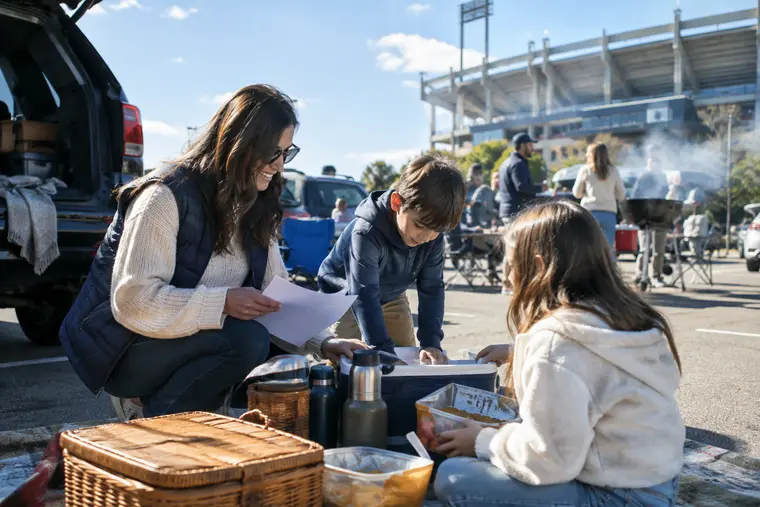
Texas football families can reduce stress by treating the security plan as part of the normal game-day schedule. The goal is not to overthink the day. The goal is to remove easy problems before the crowd builds.
- Check the school, team, or venue page before leaving for gate rules, parking changes, and ticket instructions.
- Build in more arrival time than you would for a lower-crowd game, especially for rivalry dates and late-afternoon traffic.
- Choose a primary parking area and a backup area before leaving home.
- Keep bags small and easy to inspect, and bring only what the venue allows.
- Set a family meeting spot outside the heaviest gate traffic before kickoff.
- Plan the exit before the game starts, including where children or relatives should wait if the group separates.
- Expect slower postgame movement and avoid rushing toward crowded choke points.
For a broader Texas-focused precheck, this related guide to Texas football security rules fits the same planning routine: know the gate policy, know the crowd pattern, and give yourself enough time to adjust.
Parking, Pickup, And Exit Decisions
The parking choice matters more for rivalry games because the postgame surge is often sharper. Fans who park as close as possible may save steps before kickoff but lose time after the game if that lot feeds into the most crowded exit. A slightly longer walk can be worth it if it leads to a calmer street or a cleaner route home.
Rideshare plans need the same care. The easiest drop-off spot before kickoff may not be the best pickup spot after the game. If the venue has a posted rideshare zone, use it. If not, families should choose a legal, well-lit meeting spot that does not block traffic or emergency access. For high school games, that may be a nearby school lot or a side street allowed by local rules. For college games, it may mean walking several blocks away from the stadium core before requesting a ride.
Students, Bands, And Younger Fans
Rivalry games place extra attention on student sections, band movement, and younger fans who may be attending without a parent seated nearby. Parents should talk through the plan before arrival: which gate to use, where to go if the phone battery dies, and which adult or group leader is responsible after the game. Clear plans help students enjoy the night without creating extra stress for staff or families.
Band parents and booster groups should also allow extra time for equipment movement and bus access. Security measures can affect where buses stage and how groups enter the venue. If a school sends instructions, follow those directions rather than relying on a routine from a normal home game.
How Rivalry Game Security Should Shape Your Plan
Treat rivalry game security as part of the football experience, not as an obstacle that begins at the gate. The best fan plan starts earlier: check the rules, leave sooner, simplify what you carry, know your parking options, and set a postgame meeting spot before the crowd forms.
For Texas college and high school football, the practical value is clear. High-profile games bring pride, noise, and community energy, but they also put more pressure on roads, gates, and exits. Fans who plan around that pressure usually have a better night. They spend less time guessing, less time stuck in the wrong line, and more time focused on the game itself.
The safest plan is usually the clearest one. Know where you are going, know who you are responsible for, and give the people working the event enough room to keep traffic and crowds moving. That approach works whether the setting is a major college rivalry or a packed Friday night stadium in Texas.