

Texas Heat Rules are changing how high school football programs prepare for August, especially in the hours before fans ever reach a stadium parking lot. The biggest shift begins with weather measurement, practice limits, equipment restrictions, cooling plans, and family expectations during the hottest stretch of the Texas football calendar.
For players and coaches, the changes reach the practice field first. For parents, students, band families, trainers, and fans, the impact shows up in routines: earlier drop-offs, adjusted practice windows, more attention to hydration, and closer monitoring of school announcements. Texas high school football has always been built around heat, travel, and tight weekly schedules. The new rules make that reality more structured.
The University Interscholastic League requires Texas high schools to use Wet Bulb Globe Temperature devices starting August 1, 2026, to assess conditions before and during outdoor practices, according to a Dave Campbell’s Texas Football report. That matters because WBGT is not just an air-temperature reading. It accounts for environmental conditions that affect heat stress, which gives coaches and administrators a clearer basis for practice decisions.
Where Texas Heat Rules Hit The Practice Week
The first major impact is schedule control. Coaches no longer rely only on the feel of a hot afternoon or a thermometer outside the fieldhouse. They must respond to WBGT readings, and those readings can affect how long athletes practice, what equipment they wear, and whether outdoor activity can continue.
Why Texas Heat Rules Start Before Kickoff
Texas Heat Rules matter on game day because player preparation begins days earlier. A Friday night performance is shaped by Monday conditioning, Tuesday installation, Wednesday contact work, and Thursday walk-throughs. If heat forces shorter practices or reduced gear, coaches may have to protect teaching time while cutting physical load.
That does not mean every school will follow the same daily rhythm. Texas is too large for that. A Panhandle practice, a West Texas afternoon, a Gulf Coast evening, and a Central Texas turf field can feel very different. The rule structure gives schools a shared safety standard while still forcing local decisions based on local readings.
| WBGT Reading | Practice Impact Cited In Research | Game-Week Planning Effect |
|---|---|---|
| 80°F Or Higher | Rapid cooling zones are required in the research notes. | Training staff and field access planning become part of the routine. |
| 87°F To 90°F | Practices are limited to two hours with restricted gear. | Teams may need tighter scripts and fewer wasted periods. |
| Above 92.1°F | Outdoor activities are halted. | Families should expect schedule changes when readings spike. |
The practical result is less guesswork. Coaches can still coach, but the field schedule has firmer boundaries. That changes how staff members organize special teams, scout-team periods, conditioning, and recovery. It also gives parents a clearer reason when a practice moves, shortens, or stops.
How Families Should Read Practice And Travel Changes
For families, the most visible change may be timing. Heat safety rules do not only affect varsity players. They can touch junior varsity, freshman teams, managers, trainers, band practices, and family transportation plans. A practice moved earlier in the morning may create workday conflicts. A delayed afternoon session may push dinner, homework, and pickup later into the evening.
Drop-Offs, Pickups, And Parking Around Hot Practices
Parents should treat August practice communication the same way they treat kickoff-week communication: check school channels before leaving home. A WBGT-triggered change can affect when athletes need to be on campus and when they are released. On campuses with limited fieldhouse access or tight parking, that can create short bursts of traffic around athletic facilities.
That is especially true at schools where football shares space with band, volleyball, cross country, or middle school athletics. If heat readings force football indoors or delay outside work, the athletic department may have to balance locker room access, training-room attention, and transportation timing. The research does not establish one statewide traffic pattern or parking rule, so families should avoid assuming last year’s routine will hold.
Texas Heat Rules also affect what families pack. Players need easy access to water, and the research notes that coaches must promote unrestricted access to hydration during practices. Parents should expect hydration planning to be treated as part of attendance, not as an afterthought. That may include full bottles before arrival, backup water in the car, and patience after practice when athletes need recovery time before leaving campus.
- Check school or athletic department messages before driving to practice or a scrimmage.
- Build extra pickup time into August evenings when heat readings are high.
- Send athletes with water and recovery items allowed by the school.
- Watch for changes to equipment days, contact periods, and practice length.
- Do not assume a normal practice time means a normal release time.
What Coaches And Athletic Departments Now Have To Balance
The coaching challenge is real. Texas high school staffs are still responsible for installing offenses, building tackling fundamentals, evaluating depth charts, and preparing special teams before the season. The difference is that heat readings can now narrow the available window.
The rules place more weight on practice design. A staff may need to decide which periods matter most when conditions limit time or gear. Walk-through work, classroom teaching, film review, and controlled tempo periods may carry more value during the hottest weeks. That can be especially important for younger players still learning calls, formations, and sideline procedures.
Heat Acclimatization And Roster Development
The research also points to heat acclimatization periods at the start of preseason workouts, allowing athletes to adjust gradually before full-contact practices. A Midland Times report described West Texas football teams facing new heat safety requirements tied to these preseason adjustments.
That acclimatization period may shape roster development. Coaches often use early practices to identify linemen who can handle tempo, defensive backs who communicate well, and younger players who can contribute on special teams. If contact ramps up gradually, evaluation may rely more on assignment discipline, conditioning habits, and coachability before full pads tell the rest of the story.
Texas Heat Rules may also change how teams handle multi-sport athletes. A football player coming from summer baseball, track work, or 7-on-7 still needs to adapt to football equipment, football movements, and football practice length. The rule structure recognizes that heat stress is not only about effort. It is also about exposure, gear, humidity, sun, and recovery.
What This Means For Friday Night Operations
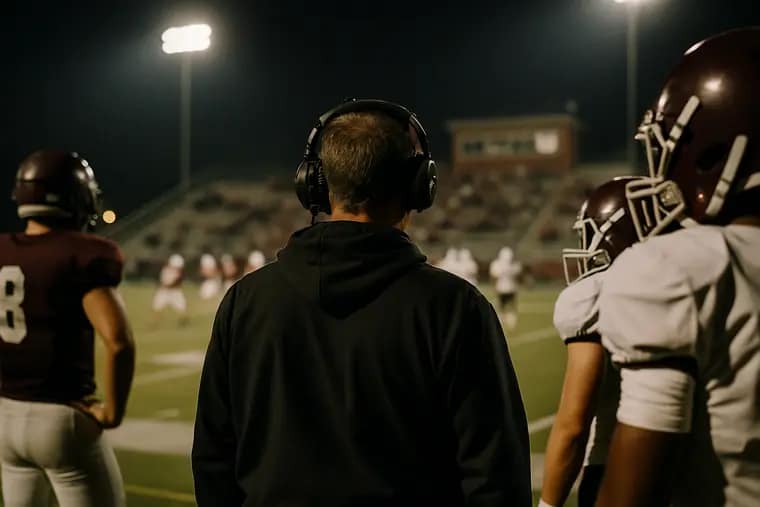
The research provided is centered on practices and safety protocols, not a statewide change to kickoff times. That distinction matters. There is no supported claim here that every Friday night game will move earlier or later because of the rules. Game schedules remain something fans should confirm through their school, district, or venue communication.
Still, practice changes can reach the stadium experience in indirect ways. If a team loses outdoor time earlier in the week, coaches may streamline pregame routines. Athletic trainers may have more visible cooling and hydration setups near the sideline. Schools may reinforce water access and emergency planning for teams, workers, and support staff around the field.
Stadium Logistics For Hot Early-Season Games
Fans attending August or early September games should plan like heat is part of the event operation. That means arriving with time to park without rushing, checking venue rules on water and bags through official school channels, and allowing extra patience around concession lines. Families with younger children or older relatives should think about shade, seating location, and how far the walk is from the parking area to the gate.
For visiting fans, Texas road trips can add another layer. A long drive, a hot parking lot, and a packed visitor side can wear people down before the second quarter. The safest fan plan is usually the simplest: confirm kickoff, confirm parking, arrive early enough to avoid a sprint to the gate, and know where water is available inside the venue.
Texas Heat Rules are aimed at student-athlete safety, but they also send a broader message to football communities. Heat is not background noise in Texas. It is a game-week factor that affects practice tempo, sideline planning, family schedules, and the way schools prepare for crowds.
What Texas Families Should Plan For On Hot Game Weeks
The best approach is to treat August football as a moving schedule until the school confirms otherwise. Parents should watch for practice updates. Fans should verify kickoff and parking details. Athletes should expect hydration, cooling access, and acclimatization to be part of the football routine.
Texas Heat Rules do not take away the identity of high school football in the state. They formalize decisions that many coaches and trainers already treated seriously. The difference is that WBGT readings now give those decisions a clear trigger point, and schools have less room to treat heat as a judgment call alone.
For Texas football communities, the impact will be felt in small but meaningful ways: a shorter practice, a delayed pickup, a changed equipment plan, a cooling zone near the field, or an athletic trainer with more authority in the rhythm of the day. Those details may not draw the same attention as a rivalry game or a district title race, but they help determine whether teams can prepare safely through the hardest weather window on the calendar.